


If you’re a Quebec homeowner staring at an aging furnace, you’ve probably heard the buzz about heat pumps. But what exactly are they, and how do they stack up against the heating system you’ve relied on for years?
The short answer: heat pumps work fundamentally differently than furnaces, and that difference matters a lot in Quebec’s unique energy landscape.
How Traditional Furnaces Work in Quebec Homes
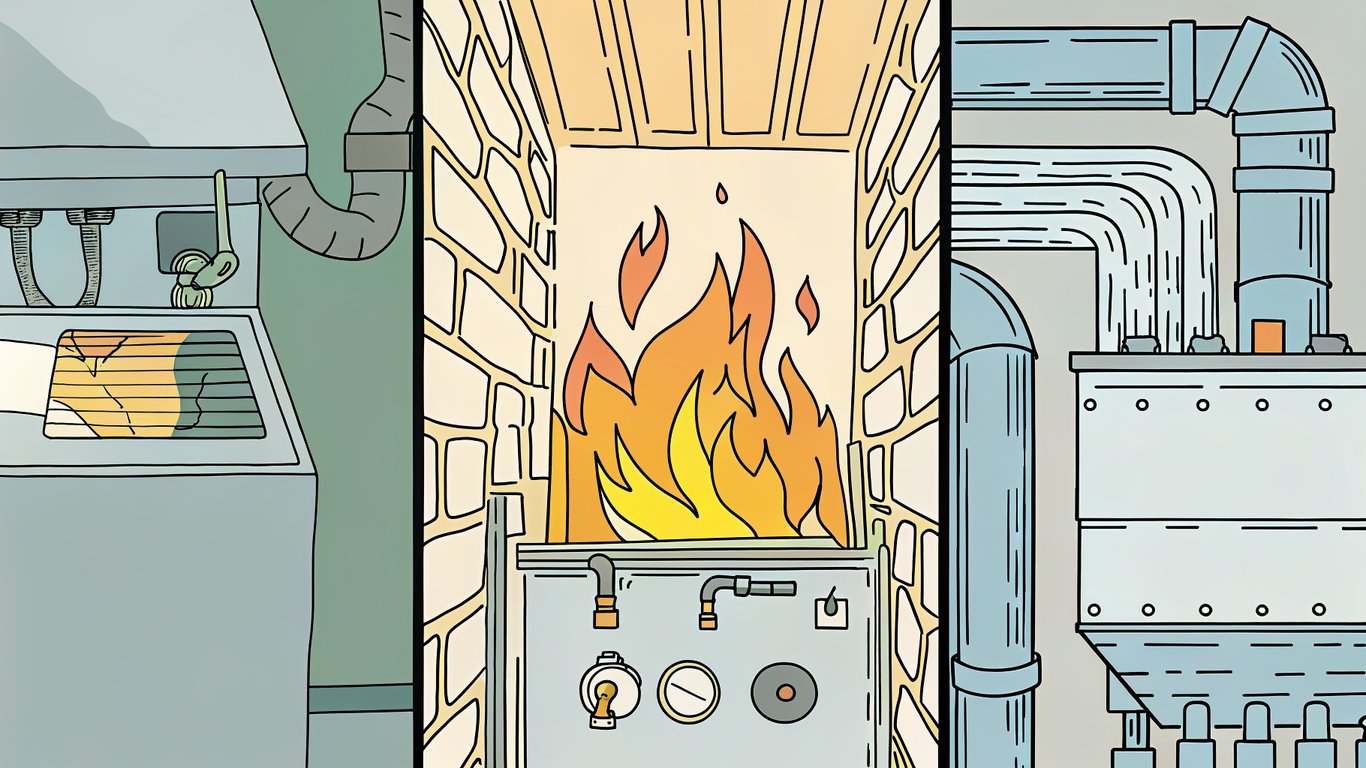
Most Quebec homes use one of three furnace types. Natural gas furnaces burn gas to create heat, which gets distributed through your ductwork. Oil furnaces work similarly but burn heating oil instead. Electric furnaces use resistance heating, essentially giant toasters that warm air before blowing it through your home.
All three create heat directly. They consume fuel or electricity, convert it to warmth, and push that warmth into your living space. It’s straightforward, but not particularly efficient from an energy perspective.
Heat Pump Technology Explained
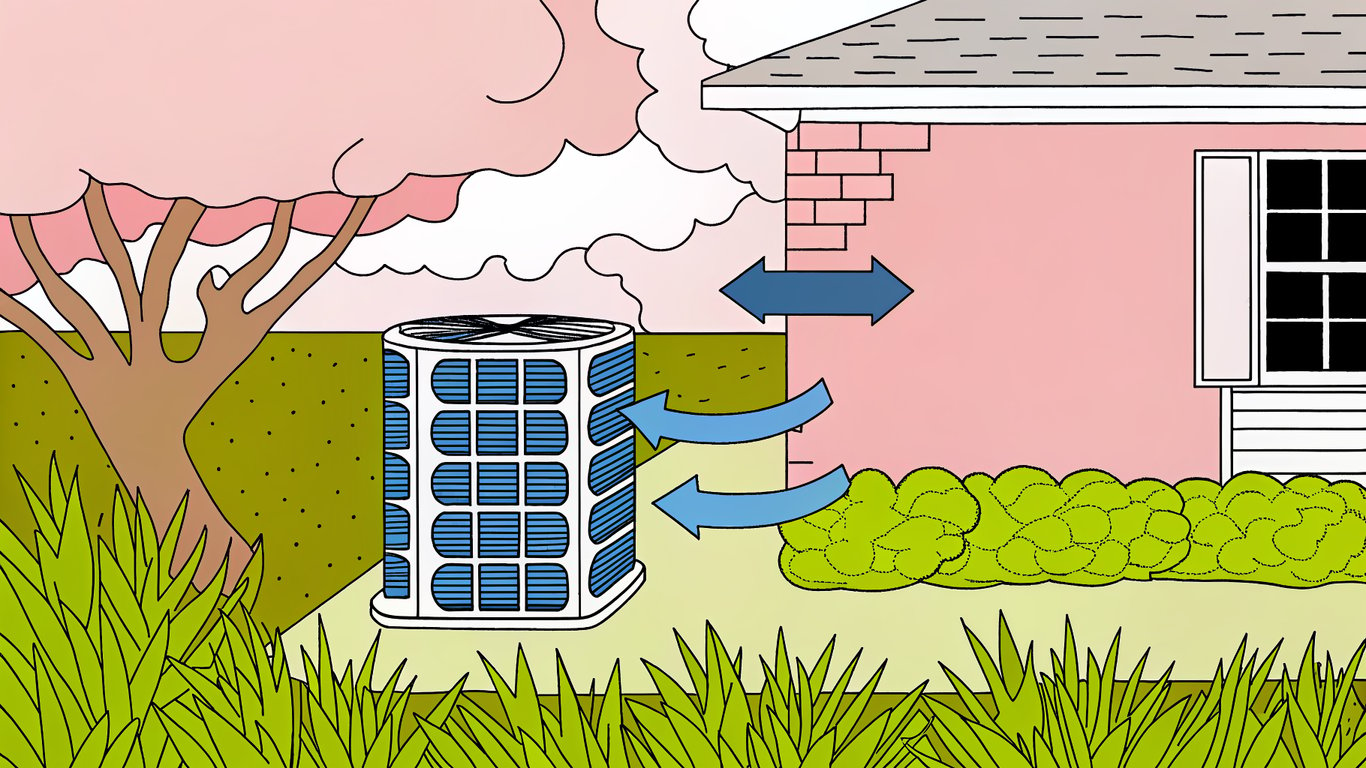
Heat pumps don’t create heat. They move it. Think of your refrigerator running in reverse. A heat pump extracts thermal energy from outside air (yes, even when it’s freezing) and transfers it indoors. During summer, it reverses the process to cool your home.
The magic happens through a refrigerant cycle. An outdoor unit contains a compressor and coil that absorbs heat from outside air. The refrigerant carries this heat indoors, where it’s released through an indoor unit. Because you’re moving heat rather than generating it, you can get 2-3 units of heat for every unit of electricity consumed.
Modern cold-climate heat pumps have evolved significantly. They’re specifically designed to extract heat efficiently even when outdoor temperatures drop to -25°C or lower, which makes them viable for Quebec winters in ways older models weren’t.
Why Quebec’s Climate Makes This Decision Unique
Quebec homeowners face a decision that looks different than it does almost anywhere else in North America. Two factors create this unique situation.
First, Quebec winters are genuinely cold. We’re not talking about mild coastal temperatures. Extended periods below -20°C are normal, and cold snaps can push temperatures even lower. This matters because heat pump efficiency drops as temperatures fall.
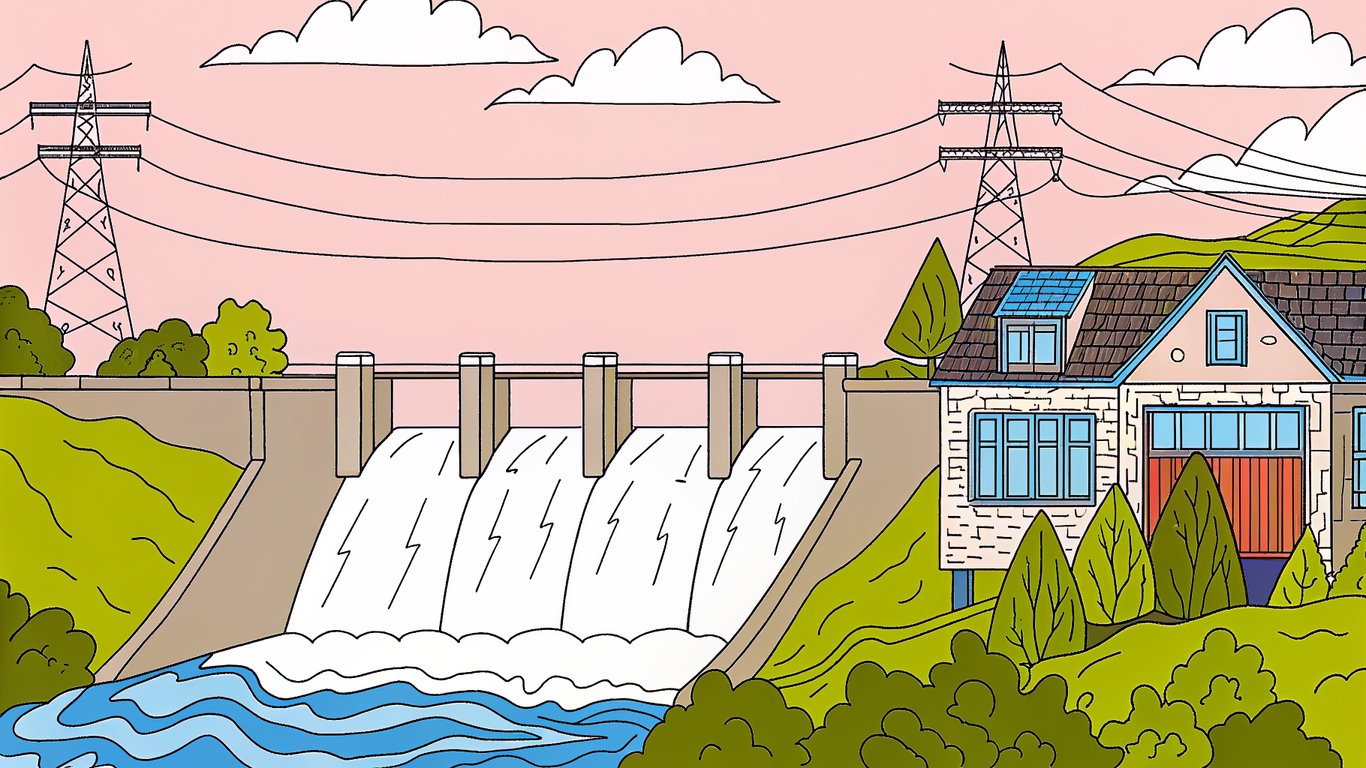
Second, and this is huge: Hydro-Québec provides some of the cleanest electricity in the world. The provincial grid runs on roughly 99% renewable energy, primarily hydroelectric power. When you plug in a heat pump in Quebec, you’re essentially running it on water power.
This combination creates an interesting calculation. The cold climate challenges heat pump efficiency, but the clean electricity grid amplifies the environmental benefits compared to burning fossil fuels.
Energy Efficiency Analysis: Real-World Performance in Quebec Conditions
Let’s talk numbers. Heat pump efficiency gets measured differently than furnace efficiency, and understanding these metrics helps you evaluate what you’re actually getting.
Coefficient of Performance (COP) in Cold Weather
COP measures how many units of heat you get per unit of electricity consumed. A COP of 3.0 means you get three units of heat for every unit of electricity. That’s three times more efficient than electric resistance heating, which has a COP of 1.0.
Modern cold-climate heat pumps maintain a COP of 2.0 or higher even at -25°C. Some high-end models achieve COP values above 2.5 at these temperatures. As outdoor temperatures rise toward 0°C, COP values can climb to 3.5 or higher.
Compare this to furnaces. Gas furnaces typically operate at 80-95% efficiency, meaning they convert 80-95% of the fuel’s energy into heat. But they’re still creating heat, not multiplying it. A heat pump with a COP of 2.5 is effectively operating at 250% efficiency.
Seasonal Energy Efficiency Ratio (SEER) Comparisons
SEER measures cooling efficiency, but it matters for Quebec homeowners because heat pumps provide both heating and cooling. A heat pump with a SEER rating of 16 or higher will cool your home efficiently during summer months, eliminating the need for a separate air conditioning system.
For heating, the Heating Seasonal Performance Factor (HSPF) provides a better year-round picture. Modern cold-climate heat pumps achieve HSPF ratings of 10 or higher, indicating strong seasonal performance across varying temperatures.
Real-World Efficiency: Case Studies from Quebec Homes
Research from Canadian studies shows that air-source heat pumps can reduce heating energy consumption by 30-50% compared to electric resistance heating in Quebec’s climate. Homes replacing oil or propane furnaces see even more dramatic improvements.
The actual savings depend heavily on your home’s insulation, the heat pump model selected, and how cold your specific winter gets. A well-insulated home in Montreal will see different results than a drafty farmhouse in Saguenay.
When Heat Pumps Need Backup Heat
Here’s the honest truth: during extreme cold snaps, most heat pumps need help. When temperatures drop below -25°C to -30°C, heat pump efficiency falls enough that supplementary heating becomes necessary.
Many systems include electric resistance backup heating that kicks in automatically. Some homeowners keep their existing furnace as backup. The key question is how often you’ll need this backup. In most Quebec locations, you might need supplementary heat for 5-10% of the heating season.
Emissions Reduction: The Environmental Impact Evidence
If you care about your carbon footprint, the benefits of switching from furnace to heat pump in Quebec are substantial. But the numbers tell a more nuanced story than simple marketing claims.
Quebec’s Clean Electricity Advantage
This can’t be overstated: Quebec’s electricity grid is exceptionally clean. When you run a heat pump in Quebec, you’re essentially heating with renewable energy. The same heat pump in Alberta or Ontario would have a much larger carbon footprint because those grids rely more heavily on fossil fuels.
This creates a massive advantage for electric heating in Quebec that doesn’t exist in most other jurisdictions. It’s one of the few places where electric heating makes environmental sense.
Emissions Comparison: Heat Pump vs. Gas Furnace
Natural gas furnaces emit CO2 directly at your home. Even a high-efficiency gas furnace produces roughly 2.3 kg of CO2 per cubic meter of gas burned. For a typical Quebec home, that translates to several tonnes of CO2 annually.
A heat pump powered by Hydro-Québec’s grid produces minimal emissions. The electricity generation itself is nearly carbon-neutral. Studies suggest heat pumps in Quebec can reduce greenhouse gas emissions by 80-90% compared to natural gas heating.
Emissions Comparison: Heat Pump vs. Oil Furnace
Oil furnaces are the worst offenders. Heating oil produces about 2.7 kg of CO2 per liter burned. Rural Quebec homes still using oil heating can emit 5-8 tonnes of CO2 annually just from heating.
Switching from oil to a heat pump eliminates virtually all of these emissions. It’s probably the single most impactful climate action a rural Quebec homeowner can take.
Lifecycle Emissions: Manufacturing to Disposal
Heat pumps do have an environmental cost. Manufacturing the equipment requires energy and materials. The refrigerants used in heat pumps are potent greenhouse gases if released into the atmosphere.
However, lifecycle analyses consistently show that the operational emissions savings far outweigh the manufacturing impact. A heat pump typically offsets its manufacturing emissions within 1-3 years of operation when replacing fossil fuel heating.
Cost Analysis: Upfront Investment and Long-Term Savings
Money talks. Let’s break down what you’ll actually spend and save.
Initial Investment: Equipment and Installation Costs
Cold-climate heat pump systems suitable for Quebec typically cost more upfront than furnace replacements. A complete installation including equipment and labor generally ranges from several thousand to over ten thousand dollars, depending on your home’s size and the system’s capacity.
Cold-climate heat pump systems suitable for Quebec typically cost more upfront than furnace replacements. A complete installation including equipment and labor generally ranges from several thousand to over ten thousand dollars, depending on your home’s size and the system’s capacity.
Available Rebates and Incentives in Quebec
The good news: substantial rebates are available. The Canada Greener Homes Grant provides federal funding for heat pump installations. Hydro-Québec offers additional provincial incentives through various programs.
The Canada Greener Homes Grant provides federal funding for heat pump installations. Hydro-Québec offers additional provincial incentives through various programs.
Check current program details carefully, as rebate amounts and eligibility requirements change periodically.
Operating Cost Comparisons: Monthly Heating Bills
Quebec’s electricity rates are among the lowest in North America, which helps heat pump economics considerably. When you’re paying less per kilowatt-hour, the efficiency advantages of heat pumps translate directly into lower monthly bills.
Homes switching from oil or propane heating typically see the most dramatic savings, sometimes reducing heating costs by 40-60%. Natural gas is cheaper than oil, so savings from gas furnaces are more modest but still meaningful, often in the 20-40% range.
If you’re replacing an electric furnace, you’ll still save money, but the difference is smaller since you’re already using electricity. The savings come purely from the heat pump’s superior efficiency.
Payback Period Calculations
Payback periods vary widely based on what you’re replacing and your specific energy costs. Replacing an oil furnace might pay back in 5-8 years. Replacing a gas furnace might take 10-15 years. Replacing an old electric furnace could take even longer.
These calculations improve significantly when you factor in rebates and the added value of air conditioning. If you would have installed AC anyway, that cost effectively comes off the heat pump’s price tag.
Maintenance and Repair Costs Over Time
Heat pumps require annual maintenance, typically costing a few hundred dollars per year. This includes cleaning filters, checking refrigerant levels, and ensuring the system operates efficiently.
Furnaces also need annual maintenance, so this isn’t necessarily an added cost. However, heat pump repairs can be more expensive when they occur, and finding qualified technicians may be harder in some Quebec regions.
Expected lifespan for quality heat pumps is typically 15-20 years, similar to furnaces. The outdoor unit faces more wear due to weather exposure, so it may need replacement before indoor components.
The Benefits of Switching from Furnace to Heat Pump in Quebec
Beyond efficiency and emissions, heat pumps offer several practical advantages that improve daily life.
Year-Round Comfort: Heating and Cooling in One System
Quebec summers are getting hotter. A heat pump eliminates the need for a separate air conditioning system, providing efficient cooling when you need it. You’re essentially getting two systems for the price of one.
This dual functionality adds real value, especially if you were planning to install AC anyway. The cooling capacity alone can justify a significant portion of the investment.
Improved Indoor Air Quality and Comfort
Heat pumps provide more consistent temperatures than furnaces. Instead of the blast-of-heat-then-cool-down cycle of furnace heating, heat pumps deliver steady, even warmth. Many people find this more comfortable.
The systems also include air filtration, which can improve indoor air quality. Some models offer advanced filtration options that remove allergens and particles more effectively than standard furnace filters.
Increased Home Value and Market Appeal
Energy-efficient heating systems are increasingly attractive to homebuyers. A modern heat pump signals that your home is updated and efficient, which can help with resale value.
The exact value increase is hard to quantify, but real estate trends suggest buyers are willing to pay premiums for homes with lower operating costs and modern mechanical systems.
Energy Independence and Grid Resilience
Switching to a heat pump reduces your dependence on fossil fuel supply chains. You’re not vulnerable to oil delivery delays or natural gas price spikes. Your heating costs become more predictable.
You’re also aligning with Quebec’s broader energy goals. The province is actively promoting electrification of heating as part of its climate strategy.
Quieter Operation and Space Savings
Modern heat pumps operate quietly, especially compared to older furnaces. The indoor units are typically quieter than forced-air systems.
If you’re replacing an oil furnace, you’ll eliminate the need for oil tank storage. That’s valuable space reclaimed in your basement or yard, plus you eliminate the risk of tank leaks.
The Trade-Offs: Honest Assessment of Challenges and Limitations
Heat pumps aren’t perfect. Let’s talk about the real challenges you might face.
Higher Upfront Costs vs. Furnace Replacement
Even with rebates, heat pumps typically cost more upfront than replacing your furnace with another furnace. If you’re on a tight budget or your furnace dies unexpectedly, coming up with the additional investment can be challenging.
Some financing options exist, but they add interest costs that affect your overall economics. The higher upfront cost is probably the biggest barrier for most homeowners.
Performance in Extreme Cold Snaps
During Quebec’s coldest days, heat pump efficiency drops. You’ll likely need backup heating, which means you’re not completely eliminating your old heating system or you’re relying on less efficient electric resistance heat.
This doesn’t negate the benefits, but it’s important to have realistic expectations. Your heat pump will work great most of the time, but not all of the time.
Electrical Panel and Infrastructure Upgrades
Older homes may need electrical panel upgrades to support a heat pump. If your panel is already near capacity, adding a heat pump’s electrical load might require a service upgrade.
These upgrades add thousands of dollars to your project cost. An electrician can assess your panel capacity before you commit to a heat pump installation.
Installation Complexity and Contractor Availability
Finding qualified heat pump installers can be challenging, especially outside major urban areas. The technology is newer than furnaces, and not all HVAC contractors have extensive heat pump experience.
Installation also takes longer than furnace replacement. You’ll need to plan ahead rather than expecting same-week service.
When a Furnace Might Still Be the Better Choice
Sometimes a furnace makes more sense. If your home has poor insulation and you can’t afford to upgrade it, a heat pump might struggle to keep up. If you’re in an extremely cold microclimate, the backup heating requirements might be too frequent.
If you’re planning to move within a few years, the payback period might not work in your favor. And if your budget is truly constrained, a basic furnace replacement might be the only realistic option.
Making the Decision: Practical Guide for Quebec Homeowners
So how do you actually decide? Here’s a framework to evaluate your specific situation.
Assessing Your Current Heating System
Start by evaluating what you have. How old is your furnace? What fuel does it use? What’s its efficiency rating? If your furnace is relatively new and efficient, replacing it might not make economic sense yet.
If you’re burning oil or using an old, inefficient furnace, the case for switching becomes much stronger. The worse your current system, the better heat pumps look by comparison.
Home Suitability Factors
Your home’s characteristics matter enormously. Well-insulated homes with good air sealing are ideal candidates. Heat pumps work best when your home doesn’t lose heat rapidly.
Check your electrical panel capacity. Look at your existing ductwork if you’re considering a ducted system. Consider your home’s size and layout for ductless systems.
Calculating Your Personal Cost-Benefit
Get quotes from multiple contractors. Research current rebate programs. Calculate your expected annual savings based on your current heating costs. Factor in the value of air conditioning if you don’t currently have it.
Be conservative in your estimates. It’s better to be pleasantly surprised than disappointed.
Choosing the Right Heat Pump for Quebec
Look for models specifically rated for cold climates. Check the minimum operating temperature. Higher HSPF ratings indicate better seasonal efficiency. Make sure the system is properly sized for your home; bigger isn’t always better.
Consider whether ducted or ductless makes more sense for your home. Ductless systems offer more flexibility but may require multiple indoor units.
Finding Qualified Installers in Quebec
Look for contractors with specific cold-climate heat pump experience. Ask for references from other Quebec homeowners. Verify licensing and insurance. Get multiple quotes and compare not just price but also the equipment being proposed.
Ask about warranty coverage and ongoing maintenance services. A good installer will perform a detailed heat load calculation rather than just guessing at sizing.
Timeline and Planning Considerations
Don’t wait until your furnace dies. Plan ahead so you can make a thoughtful decision rather than an emergency one. Spring and fall are typically better times to schedule installation than the peak of winter or summer.
The installation process typically takes 1-3 days depending on system complexity. You’ll need to be home for at least part of the installation. Plan for some disruption, though it’s usually minimal.
The benefits of switching from furnace to heat pump in Quebec are real, but they’re not universal. Your specific situation determines whether it makes sense. Take the time to evaluate your home, your budget, and your priorities. Talk to qualified contractors. Run the numbers honestly. And remember that this decision isn’t just about money; it’s also about comfort, environmental impact, and your home’s long-term value.