


Your heat pump represents a significant investment in your home’s comfort and energy efficiency. But here’s what most Quebec homeowners don’t realize: the difference between a heat pump that lasts 10 years versus one that lasts 20 years often comes down to consistent maintenance.
Quebec’s climate puts unique stress on heat pumps. We’re talking about systems that need to handle minus 30-degree winters and then switch to cooling mode during humid summers. That’s a lot of work for any mechanical system.
The True Cost of Neglecting Heat Pump Maintenance
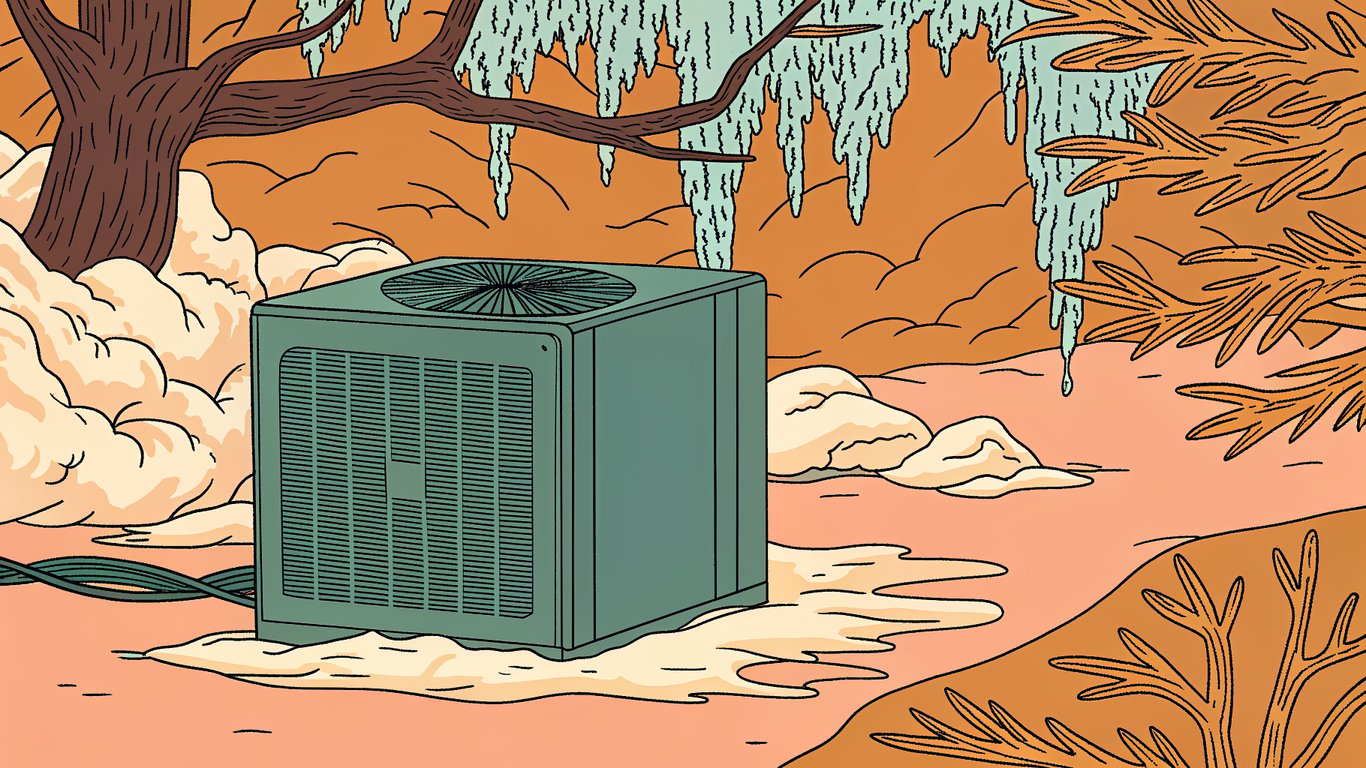
Skipping maintenance doesn’t just shorten your heat pump’s lifespan. It hits your wallet in multiple ways. Systems without regular care typically lose efficiency gradually, which means your energy bills creep up without you noticing. By the time you realize something’s wrong, you’re probably paying 20-30% more than you should be.
Then there’s the repair costs. A neglected heat pump tends to fail at the worst possible time (usually during a cold snap in January). Emergency repairs cost more, and you’re stuck without heat while waiting for a technician who’s probably swamped with other emergency calls.
Understanding Your Heat Pump Warranty Requirements
Most heat pump warranties come with strings attached. Manufacturers typically require documented proof of regular maintenance to honor warranty claims. Miss your annual service? You might find yourself paying out of pocket for a repair that should’ve been covered.
The documentation part is crucial. You need to keep service records, receipts, and maintenance logs. Some manufacturers want to see proof of professional servicing at specific intervals. Others accept a combination of professional and homeowner maintenance, but you still need to document everything.
Quebec Climate Considerations
Quebec’s weather isn’t just cold. It’s the extreme swings that really test your heat pump. Your system might run in heating mode for six months straight, then switch to cooling during summer. That constant cycling, combined with ice buildup, snow accumulation, and temperature fluctuations, means Quebec heat pumps work harder than systems in milder climates.
This is why a long term maintenance plan tailored to Quebec’s climate makes such a difference. You can’t just follow generic maintenance advice from manufacturers based in warmer regions.
Year 1: Establishing Your Heat Pump Maintenance Foundation
The first year sets the tone for everything that follows. This is when you establish your maintenance routine, learn your system’s quirks, and create the documentation habits that’ll protect your warranty.
Month 1-3: Post-Installation Verification and Baseline Assessment
Right after installation, schedule a follow-up inspection with your installer. This isn’t just about checking their work. You want to establish baseline performance metrics: what’s the normal operating temperature? How much energy does it use? What sounds are normal?
Confirm your warranty registration went through. Seriously, check this. Some warranties don’t activate until you register, and there’s usually a time limit.
Spring Maintenance Tasks (April-May)
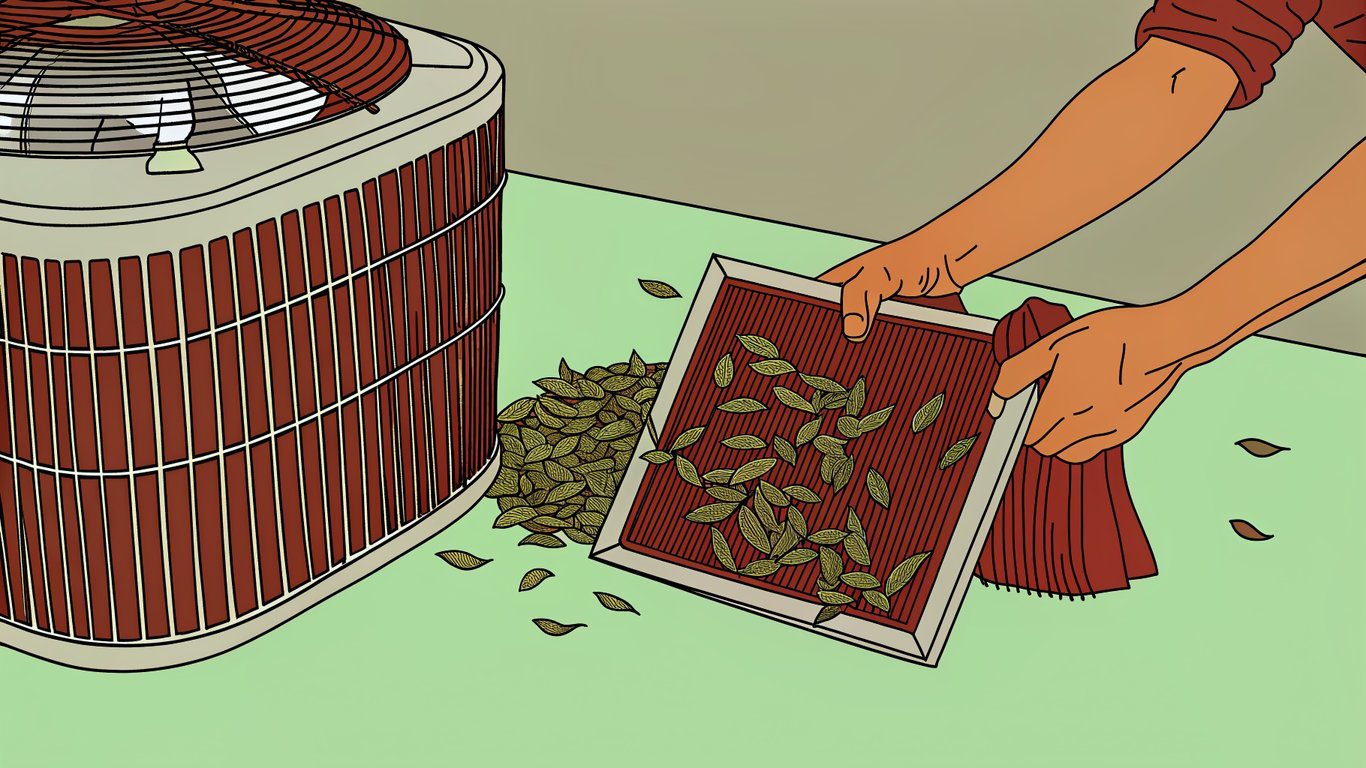
Spring is when you transition from heating to cooling mode. Start by cleaning the outdoor unit. Winter leaves behind dirt, leaves, and debris that can restrict airflow. Remove any protective covers you added for winter.
Replace or clean your air filters. This is probably the single most important maintenance task you can do yourself. Dirty filters force your system to work harder, which wastes energy and shortens its lifespan.
Schedule your first professional tune-up during this period. A technician should check refrigerant levels, test electrical connections, and verify that everything’s working properly after the heating season.
Summer Maintenance Tasks (June-August)
During cooling season, focus on the condensate drain. This little drain line removes moisture from your indoor unit. If it clogs, you’ll get water damage. Check it monthly and flush it with a mixture of water and vinegar to prevent algae buildup.
Monitor your energy bills. If you notice a sudden spike without a corresponding change in usage, something’s probably wrong. Catching efficiency problems early saves money.
Fall Maintenance Tasks (September-October)
Fall is your second critical maintenance window. Schedule another professional service before heating season starts. You don’t want to discover problems when it’s already freezing outside.
Clear the area around your outdoor unit. Trim back any vegetation that grew during summer. You want at least two feet of clearance on all sides for proper airflow.
Test your system in heating mode before you actually need it. Run it for a few hours on a cool day to make sure everything works.
Winter Maintenance Tasks (November-March)
Winter maintenance in Quebec is mostly about snow and ice management. After heavy snowfall, clear snow away from your outdoor unit. Don’t let it pile up and block airflow.
Watch for ice buildup on the unit. Some frost is normal during defrost cycles, but excessive ice means something’s wrong. If you see thick ice accumulation, call a technician.
Keep your backup heating system ready. Even the best heat pumps struggle in extreme cold, and you want a backup plan if something fails during a cold snap.
Creating Your Maintenance Documentation System
Start a maintenance log right away. You can use a simple notebook, a spreadsheet, or one of the many home maintenance apps available. Record every service, every filter change, every observation. Include dates, what was done, who did it, and any costs.
Keep all receipts and service reports in one place. Take photos of your outdoor unit periodically. This documentation protects your warranty and helps technicians diagnose problems.
Years 2-5: Maintaining Peak Performance During the Critical Warranty Period
Years two through five are when your long term maintenance plan really pays off. Your system is past the break-in period but still under warranty. This is when consistent maintenance prevents the small issues that turn into expensive repairs.

Bi-Annual Professional Inspections: What to Expect
Professional inspections should happen twice a year: spring and fall. Here’s what a thorough inspection includes:
- Refrigerant level check and adjustment if needed
- Electrical connection testing and tightening
- Thermostat calibration
- Coil cleaning (both indoor and outdoor)
- Fan motor and blade inspection
- Condensate drain cleaning
- Airflow measurement
- Overall system performance testing
A good technician will also give you a heads-up about components that might need attention soon. This lets you plan for repairs instead of dealing with emergencies.
Monthly Homeowner Maintenance Checklist
Between professional visits, you’ve got monthly tasks that take maybe 15 minutes:
- Check and clean/replace air filters
- Inspect outdoor unit for debris or damage
- Listen for unusual noises
- Check thermostat operation
- Verify proper airflow from vents
- Look for water leaks around indoor unit
- Clear condensate drain if needed
Performance Monitoring and Red Flags
Learn to recognize warning signs. Unusual noises (grinding, squealing, or banging) mean something’s wrong. Ice buildup in summer or excessive frost in winter needs attention. Weak airflow, strange smells, or frequent cycling on and off all indicate problems.
Track your energy usage. Most utility companies provide online tools that show your consumption patterns. A sudden increase without explanation probably means your heat pump is losing efficiency.
Years 6-10: Extending Lifespan Beyond the Standard Warranty
After year five, your heat pump enters middle age. Warranties might be expiring, but with proper care, you’ve got many good years left. The maintenance approach shifts slightly toward more proactive component replacement.
Increased Inspection Frequency and Component Assessment
Consider increasing professional inspections to three times per year. This catches wear patterns before they cause failures. Pay special attention to electrical components, which tend to degrade over time.
Proactive Component Replacement Strategy
Certain components have predictable lifespans. Capacitors typically last 10-15 years. Contactors wear out from repeated cycling. Fan motors eventually fail. Instead of waiting for these parts to break, consider replacing them proactively during scheduled maintenance.
This approach costs more upfront but prevents emergency service calls and potential damage to other components.
Extended Warranty and Service Contract Considerations
Around year seven, evaluate whether an extended warranty or annual service contract makes sense. These contracts typically include regular maintenance plus coverage for repairs. Do the math: compare the contract cost against what you’d pay for maintenance and potential repairs.
Years 11-15: Maximizing Return on Investment in the Final Years
Heat pumps reaching 11-15 years old are in their final phase. Your maintenance strategy now balances keeping the system running against planning for eventual replacement.
Cost-Benefit Analysis for Repairs vs. Replacement
Use this rough guideline: if a repair costs more than half the price of a new system, and your heat pump is over 10 years old, replacement probably makes more sense. But factor in the system’s overall condition and your budget.
Minor repairs (under a few hundred dollars) are usually worth it. Major component failures (compressor, heat exchanger) on an old system? That’s when you start shopping for a replacement.
Planning Your Heat Pump Replacement Timeline
Don’t wait for complete failure. Start researching replacements around year 12-13. This gives you time to take advantage of government rebate programs, compare options, and schedule installation during the off-season when contractors aren’t as busy.
DIY Maintenance Tasks vs. Professional Services: A Complete Guide
Understanding what you can safely do yourself versus what requires a professional is important for both safety and warranty protection.
Safe DIY Maintenance Tasks for Homeowners
You can handle these tasks without special training:
- Changing or cleaning air filters monthly
- Clearing debris from around the outdoor unit
- Removing snow and ice buildup (gently)
- Cleaning the outdoor unit exterior with a garden hose
- Checking and clearing the condensate drain
- Inspecting for obvious damage or wear
- Monitoring system performance and energy usage
Tasks That Require Licensed Professionals
In Quebec, certain tasks legally require licensed technicians. Anything involving refrigerant handling needs certification. Electrical work beyond basic thermostat changes requires proper licensing. Internal component repairs, refrigerant charging, and system diagnostics should be left to professionals.
Attempting these tasks yourself can void your warranty, violate regulations, and create safety hazards.
Choosing and Vetting HVAC Contractors in Quebec
Look for contractors with proper RBQ (Régie du bâtiment du Québec) licensing. Check online reviews, but also ask for references from past customers. A good contractor will explain what they’re doing, provide detailed invoices, and stand behind their work.
Establish a relationship with one reliable service provider rather than calling different companies each time. They’ll learn your system and catch developing problems more easily.
Building Your Customized Long Term Maintenance Plan
Every heat pump and household is different. Your maintenance plan should reflect your specific situation.
Budgeting for Multi-Year Heat Pump Maintenance
Plan for these typical annual costs:
- Professional maintenance visits: typically a few hundred dollars per visit
- Filter replacements: varies by filter type and frequency
- Minor repairs and parts: set aside a reserve fund
- Emergency service calls: hopefully rare, but budget for the possibility
Setting aside money monthly makes these costs more manageable than facing a large bill all at once.
Adapting Your Plan for Different Heat Pump Types
Air-source heat pumps need more attention to outdoor unit maintenance, especially in Quebec winters. Ground-source systems have different maintenance needs, focusing more on the ground loop and indoor components. Mini-split systems require attention to multiple indoor units, each with its own filter and drain.
Consult your owner’s manual for model-specific requirements and adjust your maintenance schedule accordingly.
Protecting Your Investment Through Consistent Care
A well-maintained heat pump can last 15-20 years in Quebec’s challenging climate. That’s double the lifespan of a neglected system. The difference comes down to consistent, documented maintenance following a structured plan.
The ROI of Preventive Maintenance
Regular maintenance costs money, but it saves more than it costs. You’ll spend less on energy bills, avoid expensive emergency repairs, and get more years from your investment. The warranty protection alone justifies the maintenance expense.
Getting Started: Your First 30 Days
Start today by creating your maintenance log. Schedule your next professional service if you haven’t had one recently. Check your air filter right now. Set up calendar reminders for monthly checks and seasonal maintenance tasks.
Find a reliable HVAC contractor and establish a relationship. Gather all your warranty documents and service records in one place. These simple steps launch your long term maintenance plan and protect your investment for years to come.