


What Are ENERGY STAR Heat Pumps and Why They Matter for Quebec Homeowners
In Quebec, space heating usually eats 50 to 60 percent of a typical home’s annual energy bill. For many households that lands around $2,200 to $2,800 CAD a year. If you are looking at energy star heat pumps, you are focusing on the biggest lever to cut those costs. Certified systems can trim heating bills by 30 to 50 percent, delivering up to 50% energy savings in the right conditions.

Here is the short version. Energy star heat pumps are high-efficiency units that meet strict, independently verified performance criteria. In Canada, Natural Resources Canada administers ENERGY STAR certification and confirms test results through third-party labs. Compared with standard new models, certified units are typically at least 15 percent more efficient. They also post stronger heat pump efficiency ratings across cooling and heating. That is real, measurable, and repeatable, not just marketing.
Why does this matter so much in Quebec? Winters routinely dip well below freezing and often below minus 20 degrees Celsius outside major urban cores. Energy efficient heating is not a nice-to-have here. It is how you keep comfort high without letting Hydro bills balloon. ENERGY STAR certification sets a higher bar for performance, and cold climate designations build on that bar for reliable output in severe cold. We will get into the details next.
How are ENERGY STAR heat pumps different from standard models you might see on a big-box shelf? Start with the minimum efficiency gap. Certified units exceed baseline requirements by at least 15 percent, which shows up in higher SEER and HSPF numbers on the label. Those heat pump efficiency ratings tell you how much cooling or heating you get for each unit of electricity. Higher ratings usually mean lower operating cost over the life of the system.
There is also a strong financial reason to choose certified equipment. Quebec homeowners can often stack provincial and federal incentives for significant upfront relief. Programs like Chauffez vert and Rénoclimat, combined with federal grants, can add up to over $10,000 in available rebates on qualifying installations. These Quebec heat pump grants typically require ENERGY STAR certification, plus proper pre and post energy evaluations, so the label does double duty. It saves energy, and it unlocks money.

If you care about comfort on a minus 25 night, this label helps on that front too. ENERGY STAR includes a cold climate track that recognizes models tested to perform at lower outdoor temperatures. That means steadier heat output, fewer calls for backup heat, and better control of winter bills. It is not the only thing that matters, but it is a reliable starting point for a shortlist.
- Certification basics: what ENERGY STAR certification means in Canada and why third-party testing matters
- Key efficiency metrics: the SEER, HSPF, and COP numbers to watch
- Top certified models available in Quebec, from wall-mounted to central systems
- Rebates and grants you can stack in 2026 to lower upfront cost
- Cold climate performance and what to expect at minus 15 and below
- How to choose the right system size and type for your home
Bottom line. ENERGY STAR certification signals at least 15 percent higher efficiency than standard models, verified by Natural Resources Canada. In a province where heating typically drives the majority of your annual energy spend, certified heat pumps are one of the fastest ways to lock in long-term savings. Next up, we break down exactly how the certification works and which ratings matter most.
ENERGY STAR certification is not just a sticker on the box. It is a promise that a heat pump hits strict, lab-verified efficiency targets that cut electricity use without cutting comfort. For Quebec homeowners, that matters in two big ways. You get a reliable baseline for comparing models, and you avoid paying for inflated marketing claims that do not hold up when winter hits.
ENERGY STAR Certification Requirements in Canada
In Canada, ENERGY STAR is administered by Natural Resources Canada (NRCan). The program sets clear criteria for heat pumps and requires independent, third-party testing before a model can be listed as certified. That means the published heat pump efficiency ratings are verified in accredited labs. No guesswork, no self-certification. You can read the official overview here: Natural Resources Canada ENERGY STAR program.
| Metric | Minimum for ENERGY STAR in Canada | What It Means |
|---|---|---|
| SEER (Seasonal Energy Efficiency Ratio) | SEER 15+ for cooling | Seasonal cooling efficiency. Higher SEER rating means less electricity used for the same cooling output. |
| HSPF (Heating Seasonal Performance Factor) | HSPF 8.5+ for heating | Seasonal heating efficiency. Higher HSPF rating means lower kWh per unit of heat delivered over a typical season. |
| EER (Energy Efficiency Ratio) | Meets ENERGY STAR Canada thresholds by product class | Instant, point-in-time cooling efficiency at a set outdoor temperature. Verified in third-party lab testing. |
| Verification | Independent lab testing required | Results are audited and recognized by NRCan, so claimed performance is accurate and comparable. |
Two takeaways matter most here. First, the SEER 15+ and HSPF 8.5+ floors weed out lower performers. Second, independent verification protects you. If a unit is ENERGY STAR certified in Canada, it has met those thresholds under standardized tests. And that is exactly the kind of consistency you want when you are comparing options across brands and installers.
Key Efficiency Metrics: SEER, HSPF, and COP Explained
SEER explained. SEER stands for Seasonal Energy Efficiency Ratio. Think of it as cooling miles-per-liter, averaged across a typical warm season. A higher number means the system produces the same cooling using fewer kilowatt-hours. ENERGY STAR models usually land between SEER 15 and SEER 25. If you are comparing two certified units and your priority is summer savings, the higher SEER rating is typically the smarter pick. Just remember installation quality and proper sizing still decide whether you actually hit those lab numbers at home.
HSPF explained. HSPF is the Heating Seasonal Performance Factor. It measures how efficiently a heat pump converts electricity into heat across the entire heating season. For ENERGY STAR heat pumps, you will typically see HSPF 8.5 to 13. That range is a useful shorthand. But look closer if you live in a colder pocket of Quebec. Ask your contractor for low-temperature performance data, not only the nameplate HSPF rating. The HSPF rating is a season-long average. It does not tell the full story at -20 C.
COP explained. COP stands for Coefficient of Performance. It is a simple ratio: heat out divided by electricity in. A COP of 3.0 to 4.5 means the heat pump delivers roughly 3 to 4.5 units of heat for every unit of electricity consumed under the test condition. That is how heat pumps beat electric baseboards. They move heat instead of creating it from scratch. ENERGY STAR notes that modern heat pumps can deliver about 3x more heat energy than the electrical energy they consume under typical conditions. You can see that principle described here: ENERGY STAR on air-source heat pumps.
How to use these numbers in real life. Start with SEER and HSPF for the quick screen. Then check COP and low-temperature capacity data for confidence in winter. If you are comparing multiple quotes, a local platform like Comparatif Thermopompes can help you line up certified models from several qualified contractors, so you are looking at apples to apples rather than a mix of specs that do not match.
Cold Climate ENERGY STAR Designation for Quebec Winters
Cold climate certification is the extra filter many Quebec homes need. It indicates the heat pump maintained strong performance during tests down to -15 C (5 F). That low-temperature checkpoint matters. Montreal and Quebec City often dip far below freezing. In northern and inland regions, winter lows can push -25 C to -35 C during cold snaps. If your system tails off at the first deep freeze, you end up paying more for backup heat and you lose comfort right when you need it most.
- Consistent heating at low temperatures. Cold climate heat pump models keep delivering usable capacity at -15 C and below.
- Reduced backup heating needs. Less reliance on electric baseboards or fossil furnaces during cold snaps.
- Lower operating costs in winter. Better efficiency at low ambient temperatures cuts kWh use when bills can spike.
- Proven performance in harsh climates. Certification requires testing, not just marketing claims, so results are dependable.
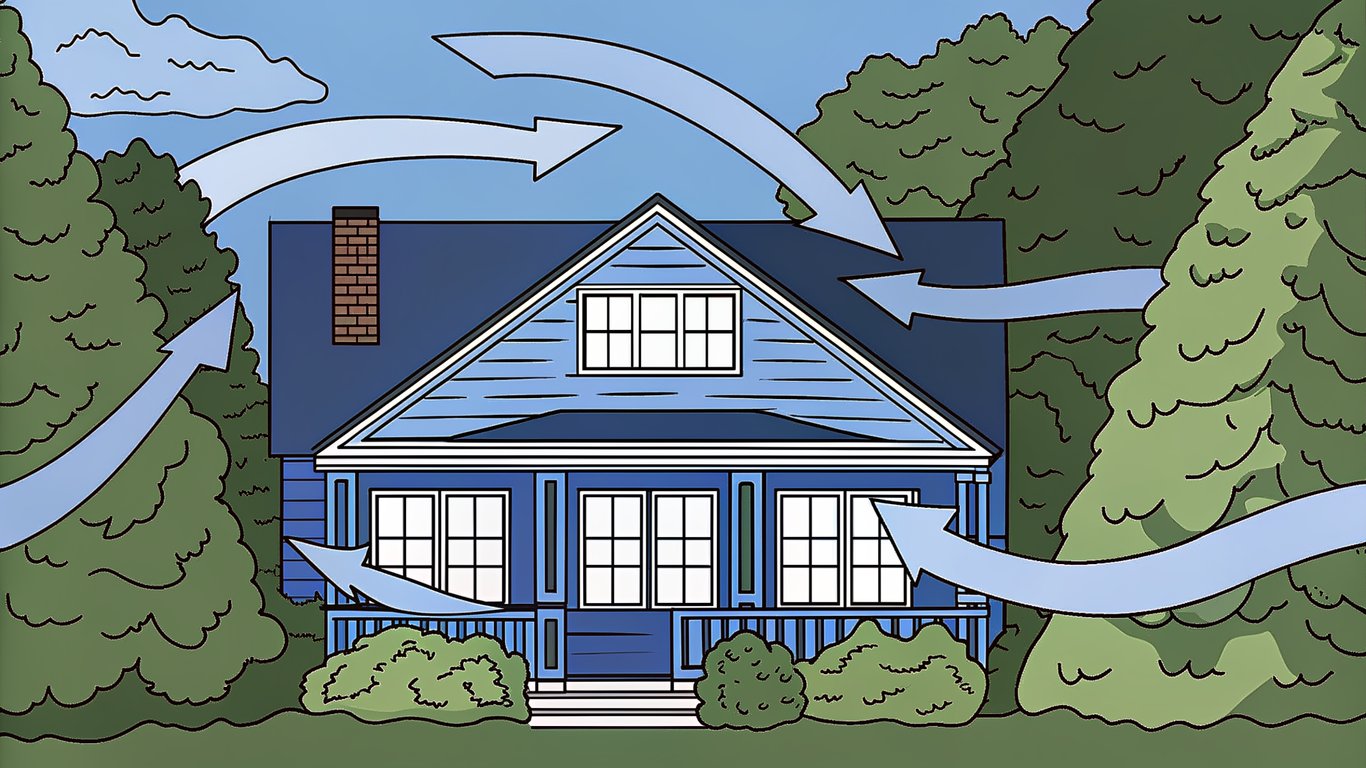
If you only remember one shopping rule for Quebec, make it this: prioritize a cold climate heat pump with ENERGY STAR certification. Then verify two things in the spec sheet or certification listing. One, minimum operating temperature and capacity at -15 C. Two, the HSPF rating and any low-ambient heating data provided by the manufacturer. Those details separate a unit that works on paper from a unit that keeps your home warm during a January cold front.
A quick pro tip. Ask your contractor to provide the certification reference for the exact outdoor and indoor unit combination being installed. Independent verification is only valid for the matched system that was actually tested. That small detail protects performance and your warranty, and it makes rebate applications smoother since program administrators usually look for certified model numbers that match ENERGY STAR or NRCan listings.
Bottom line. ENERGY STAR certification gives you a strong baseline: SEER 15+, HSPF 8.5+, verified by a third party. The cold climate designation adds confidence for -25 C to -35 C realities. Use SEER, HSPF rating, and heat pump COP together for a complete picture, then confirm low-temperature data before you sign a contract. And if you want to double-check requirements or look up the program itself, keep this official resource handy: Natural Resources Canada ENERGY STAR program.
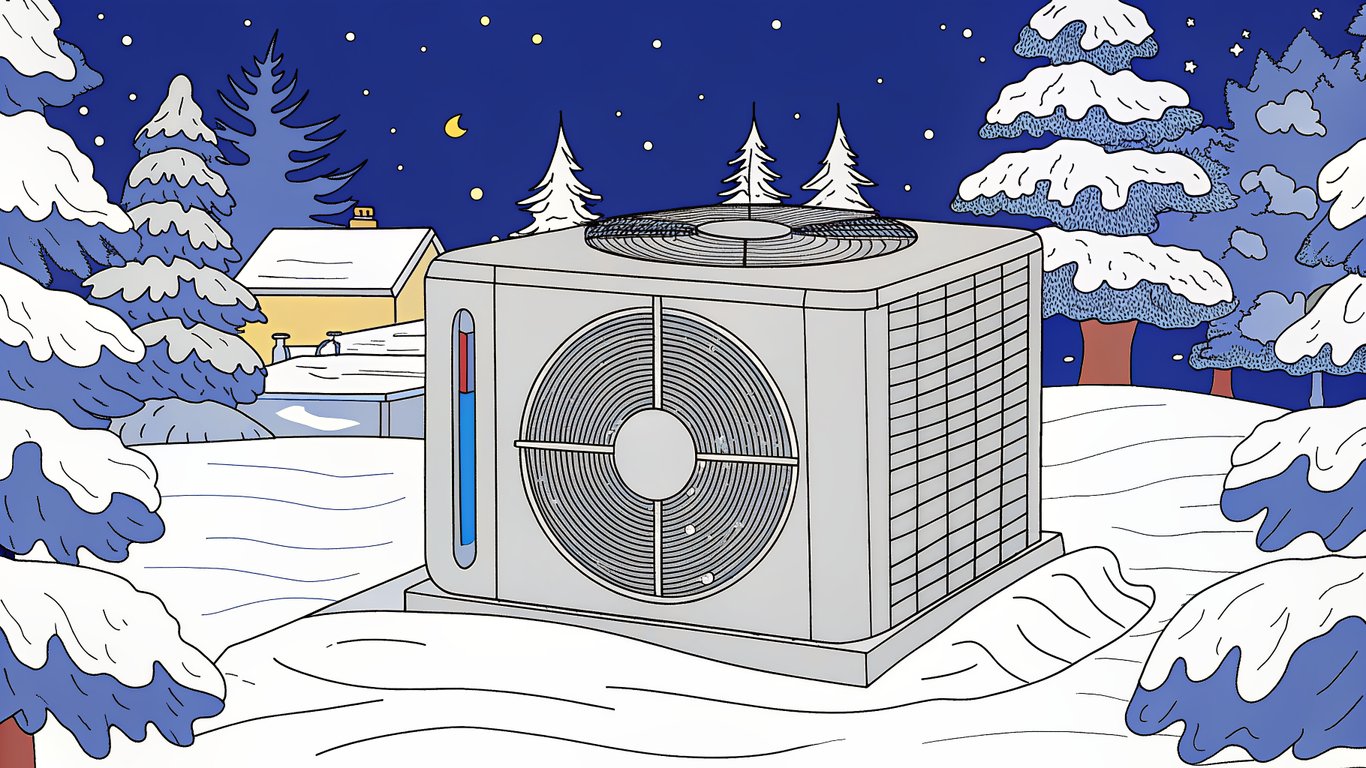
Top ENERGY STAR Certified Heat Pump Models Available in Quebec (2026)
Hundreds of models now carry ENERGY STAR certification. The good news for Quebec is that a handful of brands have a long track record of keeping homes warm when it is brutally cold. If you came here asking what are the top 3 heat pumps, think in categories, not just single models. Cold climate ductless mini-splits for rooms, central ducted systems for whole homes, and flexible multi-zone systems for mixed layouts. For any of them, look for cold climate capability to roughly -25°C to -30°C, solid SEER and HSPF numbers, and modern inverter tech. And always have a contractor confirm the exact model you pick is listed as certified on the official ENERGY STAR Product Finder ENERGY STAR Product Finder.
Best Wall-Mounted (Ductless) ENERGY STAR Heat Pumps
- Mitsubishi Electric Hyper-Heating H2i series: A frequent pick in Quebec for cold rooms and additions. Typical specs you will see on ENERGY STAR certified single-zone units are SEER 20-25, HSPF 11-13, reliable heating near -25°C on many configurations, and whisper-quiet operation. Installed price for a single zone in Quebec usually lands around $3,000-$6,000 CAD, depending on line set length, wall brackets, and electrical work.
- Daikin Aurora cold-climate mini-splits: Built for northern winters with steady heat output in sub-zero conditions. ENERGY STAR certified variants often post SEER 18-21, HSPF 10-12, and low-ambient heating near -25°C. Typical installed single-zone pricing in Quebec: $3,000-$6,000 CAD for common sizes.
- Fujitsu Halcyon XLTH (Extra Low Temp Heating): Known for dependable low-temp performance. ENERGY STAR listed models commonly rate SEER 19-23, HSPF 11-12, with operation around -25°C on many capacities. Expect roughly $3,000-$6,000 CAD installed for a single zone, size and complexity will move that number.
- LG with LGRED (Reliable to Extreme Degrees) heating: A solid option where style matters and heating needs are serious. ENERGY STAR certified models typically show SEER 18-22, HSPF 10-12, and cold-climate capability near -25°C depending on capacity. Installed single-zone costs often fall in the $3,000-$6,000 CAD band.
Wall-mounted ductless mini-split systems shine for room-by-room upgrades, condo retrofits, and homes without ducts. Look for a variable speed compressor and true inverter technology. That combo ramps output up or down to match the load, which stabilizes temperatures and cuts noise. Match the heat pump BTU capacity to the space, not the sticker price. Oversized heads short-cycle and feel drafty, while undersized units struggle on the coldest nights. In cold Quebec winters, prioritize cold climate performance specs and confirm the exact sub-model is on the ENERGY STAR list, since small suffix changes can affect certification.
Top Central Ducted ENERGY STAR Systems
If you already have ductwork and want whole-home comfort through every register, an ENERGY STAR certified central ducted heat pump is probably your best fit. Top choices you will actually find installed across Quebec include systems from Carrier, Lennox, and Bosch Thermotechnology. Typical certified performance ranges for these setups are SEER 16-20 and HSPF 9-11. Installed pricing often runs $8,000-$15,000 CAD in Quebec for common sizes. Costs move with heat pump BTU capacity, duct condition, electrical panel upgrades, and thermostat choices.
- Carrier central heat pumps with inverter-driven outdoor units and advanced controls. Many pair well with communicating thermostats for tighter humidity and airflow management.
- Lennox variable-capacity ducted systems that modulate to match the load. Great for steady, low-noise heating and cooling when ducts are properly sealed and balanced.
- Bosch Inverter Ducted Split setups known for smooth ramping and efficient low-speed operation. Often a smart retrofit if your existing ducts are in good shape.
These ducted heat pump systems ride on the same tech principles as the best mini-splits. A variable speed compressor managed by inverter electronics. In a cold climate, that matters because the unit can maintain output as temperatures drop, rather than cycling hard and losing comfort. As always, verify the exact model number against the ENERGY STAR database, since a single different suffix can mean a different efficiency package.
Leading Multi-Zone ENERGY STAR Heat Pump Solutions
Multi-zone systems feed two to five indoor units from one outdoor condenser. That setup lets you keep bedrooms cooler, warm a drafty basement, and dial back a guest room when it is empty. It is popular in plexes and older Montreal homes that lack consistent ducts. ENERGY STAR certified multi-zone packages from Mitsubishi Electric, Daikin, and LG typically post SEER 18-22 and HSPF 10-12. For three to four zones in Quebec, installed costs often land around $10,000-$20,000 CAD, depending on line-set routes, wall repairs, and electrical work.
- Mitsubishi Electric MXZ multi-zone platforms: Strong low-temp performance and broad indoor unit styles. Good pick when you want wall cassettes in some rooms and slim-duct or ceiling units elsewhere.
- Daikin multi-zone systems: Flexible combinations and solid cold-weather output when matched correctly. Quiet operation is a plus for bedrooms.
- LG Multi F series: Efficient zoning with clean styling and app-friendly controls on many indoor units. Helpful when aesthetics matter.
A quick tip from the field. Do not oversize the outdoor unit just to cover every corner in extreme cold. You can lose efficiency and comfort. It is better to size zones correctly, keep runs short where possible, and choose the right indoor head style for each space. Again, confirm multi-zone configurations on the ENERGY STAR Product Finder or ask your contractor to share the listing link for the exact outdoor and indoor model pairing.
ENERGY STAR Most Efficient 2026 Recognition
Each year, ENERGY STAR highlights a short list of top performers as Most Efficient. These are the cream of the crop and often feature the latest inverter technology, strong low-temp capacity retention, and smart controls. The list changes, so treat it like a current-year shortlist, not a forever ranking. Check live details here: ENERGY STAR Most Efficient 2026 heat pumps. If you are comparing quotes, ask bidders to point to the official page for the exact sub-model they propose. That keeps everyone honest and makes apples-to-apples comparisons easier. Services that gather multiple quotes can save time here. In Quebec, many homeowners use comparison platforms to pit certified options against each other and get clearer pricing.
| Brand | Model series | SEER (cooling) | HSPF (heating) | Notable features |
|---|---|---|---|---|
| Mitsubishi Electric | Hyper-Heating H2i single-zone (MSZ/MUZ family) | 20-25 | 11-13 | Cold-climate operation near -25°C, advanced inverter, variable speed compressor. Verify current-year status on the Most Efficient list. |
| Daikin | Aurora single-zone | 18-21 | 10-12 | Low ambient heating, quiet indoor units, inverter technology. Confirm the exact sub-model on the Most Efficient page for 2026. |
| Lennox | Signature variable-capacity heat pump (e.g., SL25XPV) | 20+ | 11-12 | Communicating controls, ducted whole-home comfort, variable capacity. Check current-year recognition on the official site. |
Which heat pumps are ENERGY STAR certified right now, and what are the top 3 to consider? For most Quebec homes, start with one of these three categories: a cold-climate wall-mounted mini-split for a target room, a central ducted inverter system for whole-home comfort, or a multi-zone package if you need room-by-room control. Across all three, the essentials stay the same. ENERGY STAR certification, SEER in the high teens or better, HSPF in the double digits, and documented low-temp performance around -25°C to -30°C. Then compare at least three quotes. Pricing and install quality vary more than you would think, and side-by-side proposals make it obvious which certified model is the best fit and value.
Quebec Rebates, Grants, and Tax Credits for ENERGY STAR Heat Pumps (2026)
Short answer to the tax question: in Canada you typically do not deduct a new heat pump on your taxes. The big savings usually come from upfront grants and utility rebates. If you live in Quebec, you can often access over $10,000 in combined support when you stack federal funding, provincial programs, and local utility or municipal offers on an eligible ENERGY STAR system. The key is simple. Choose a certified model, follow the required steps in order, and keep meticulous paperwork. That is how homeowners actually capture these air source heat pump rebates instead of leaving money on the table.
Federal Canada Greener Homes Grant
The federal Canada Greener Homes Grant has provided major funding for heat pumps. As of 2026, the program offers up to $5,000 toward qualifying heat pump installations. An EnerGuide home evaluation is required before and after the work. You also need an ENERGY STAR certified system to qualify in most cases, along with proper documentation from a qualified contractor. Program details can change, so always confirm the current terms on the official page: Canada Greener Homes Grant details.
- What it covers: air source heat pump upgrades that meet program performance criteria. ENERGY STAR certification is typically required.
- Maximum amount: up to $5,000 for eligible heat pump projects. Amounts depend on equipment type and ratings.
- Eligibility basics: primary residence in Canada, you complete a pre-retrofit EnerGuide evaluation before any work starts, and a post-retrofit evaluation after installation.
- Contractors: use licensed and insured professionals who can provide all required invoices and product documentation. Many programs also want proof the unit is ENERGY STAR certified.
- Timing: do not start the installation before your pre-retrofit EnerGuide evaluation. Starting too early is a common reason applications get denied.
- Paper trail: keep the EnerGuide reports, detailed invoices, model numbers, and photos of the installed outdoor and indoor units. You will probably be asked for them.
Quebec’s Chauffez vert and Rénoclimat Programs
Quebec adds strong provincial help on top of the federal grant. The Chauffez vert program supports homeowners who replace oil or propane heating, and in many cases electric baseboards, with higher efficiency systems. For qualifying ENERGY STAR heat pumps, Chauffez vert typically offers up to $3,200. The Rénoclimat program complements this with additional incentives tied to improving your home’s energy performance based on an energy evaluation. You will see Rénoclimat rebates for measures like insulation, air sealing, and sometimes a bonus impact to your overall incentive package when a heat pump is installed as part of a broader efficiency plan. Many households use Rénoclimat to document savings and then claim Chauffez vert for the actual equipment switch. It sounds like extra steps. It is worth it.
| Program | Maximum rebate amount | Core eligibility | Application snapshot |
|---|---|---|---|
| Canada Greener Homes Grant | Up to $5,000 for qualifying heat pumps | Primary residence, EnerGuide pre and post evaluations, ENERGY STAR certified equipment, required documentation | Complete pre-retrofit EnerGuide, install eligible unit, complete post-retrofit evaluation, submit documents online via NRCan portal (program page) |
| Chauffez vert program | Up to $3,200 for eligible heat pump replacements | Replace oil or propane systems, and in many cases electric baseboards, with an ENERGY STAR certified heat pump; meet Quebec residency rules | Apply through Quebec’s official portal, submit invoices, model numbers, and proof of replacement; follow program timelines and pre-approval rules where required |
| Rénoclimat | Varies by measure based on energy evaluation results | Home energy evaluation completed by a certified advisor, recommended upgrades implemented, and post-retrofit verification | Start with an in-home evaluation, complete suggested work, then a post-evaluation to confirm performance; submit documents to claim Rénoclimat rebates |
A quick tip many people miss. Rénoclimat focuses on measured energy performance gains from an audit, while Chauffez vert centers on replacing old fossil or inefficient electric heating with cleaner, efficient equipment. Both expect ENERGY STAR rated gear when you are claiming heat pump funding. And both require paperwork that matches exactly what was installed. Serial numbers matter.
Hydro-Québec and Municipal Utility Rebates
Hydro-Québec incentives change from time to time and can vary by region or pilot. Some municipalities in Quebec also offer additional rebates in the $500 to $1,000 range for ENERGY STAR heat pump installations. Think of these as stackable sweeteners. They typically sit on top of the federal and provincial programs as long as your project meets each program’s unique rules. Check Hydro-Québec’s website for current residential programs and seasonal offers: Hydro-Québec. Also scan your city or MRC site for local rebates. Montreal, Quebec City, and several regional municipalities periodically run limited-time offers that add up fast.
- Confirm stackability. Some local rebates require that you also apply to a federal or provincial program, while others cannot be combined.
- Check pre-approval rules. A few municipal programs need you to register before you sign a contract.
- Verify equipment lists. Utilities sometimes publish eligible product lists. ENERGY STAR status is a common baseline.
- Note timelines. Rebate windows can close early when funding runs out.
- Keep proof. Photos of the old system being removed and the new outdoor unit installed can be the difference between approved and denied.
How to Maximize Your Total Rebate Amount
If you want the biggest cheque, you need a clean process. That means following the order of operations, installing a cold climate rated model that meets ENERGY STAR criteria, and submitting airtight documentation. Do that and it is realistic to combine the federal grant with Quebec heat pump grants from Chauffez vert, plus Hydro-Québec incentives or a municipal kicker. Here is the playbook I recommend when people ask about heat pump tax credits or rebates in Quebec.
- Complete your EnerGuide pre-evaluation. Do not start work before this. The energy advisor’s report anchors most claims.
- Choose an ENERGY STAR certified cold climate air source heat pump sized for your home. Cold climate performance matters in Quebec.
- Hire a qualified contractor. Make sure invoices list model numbers and that the team will provide startup sheets, photos, and any forms programs require.
- Apply for the federal grant first so your file is created and your pre-retrofit evaluation is on record.
- Submit Chauffez vert and Rénoclimat applications according to their rules. Some people sequence Rénoclimat for the audit-driven pieces and use Chauffez vert for the equipment swap.
- Check municipal and Hydro-Québec incentives. Some add $500 to $1,000 if your equipment and paperwork line up.
- Keep everything. EnerGuide reports, photos, detailed invoices, permits, model and serial numbers, commissioning sheets. If it documents performance or product specs, save it.
Simple stacking example many households can hit: Federal $5,000 + Chauffez vert $3,200 + Municipal $1,000 = $9,200 back. Some projects exceed $10,000 when you add Rénoclimat rebates for insulation or air sealing that lift your home’s energy score. Your numbers will vary, but the math usually improves when you bundle measures.
One last practical edge. Contractors who work with these programs every week spot the gotchas quickly, like when a model is ENERGY STAR certified for cooling but not listed as a cold climate heat pump for heating. Platforms like Comparatif Thermopompes connect you with Quebec contractors who know the forms, the photo angles, and the deadlines. That tends to mean fewer delays and a higher chance you collect every dollar you are eligible for.
Choosing and Installing Your ENERGY STAR Heat Pump: Expert Buying Guide
Proper Sizing: Why Manual J Calculations Matter
An oversized system short cycles and wastes energy. An undersized system runs forever and still leaves you cold. Both feel uncomfortable and both cost you money. Manual J is the industry heat loss and heat gain calculation that nails the right heat pump BTU capacity for your home. It accounts for insulation levels, window types, air leakage, orientation, and local design temperatures. You only get the real ENERGY STAR efficiency when the equipment is sized off a proper Manual J, not a rough rule of thumb.
For quick context only, typical Quebec homes often land in these rough ranges if the envelope is average and reasonably tight. 1,000 to 1,500 sq ft: 24,000 to 36,000 BTU. 1,500 to 2,500 sq ft: 36,000 to 48,000 BTU. 2,500+ sq ft: 48,000+ BTU or a multi-zone setup. Treat these as ballpark guides. Your final selection should follow a formal Manual J plus a contractor’s room-by-room review. If you are looking at a variable speed compressor model, correct sizing still matters. The inverter can modulate, but it cannot fix a big mismatch.
One more sizing tip that pros use. Ask your contractor to show the calculated heating load at -15 C and -25 C alongside the selected model’s certified capacity at those same temperatures. It is a simple way to avoid painful surprises in January.
Cold Climate Performance Requirements for Quebec
Quebec winters get serious. A standard ENERGY STAR unit might look fine on paper, but many struggle when the mercury drops. You want a cold climate heat pump that holds its own below freezing and keeps a steady supply of heat without relying too much on backup. Look for models with the cold climate ENERGY STAR designation and verified low temperature capacity data. The variable speed compressor is a big deal here because it ramps output to match demand and helps maintain efficiency in deep cold.
- Cold climate ENERGY STAR certification specifically tested for low temperature performance
- Operation to at least -25 C, ideally lower for northern or exposed sites
- Variable-speed inverter compressor for steady heat and higher part-load efficiency
- Low-temperature capacity retention of 70% or more at -15 C on the spec sheet
- Backup heating integration capability, including electric elements or a dual fuel heat pump setup with a gas or oil furnace if needed
If you live in areas that regularly see -25 C or colder, capacity retention is often the real differentiator. Two units with the same HSPF can behave very differently once it is deep winter.
Ducted vs. Ductless: Which ENERGY STAR System Is Right for You?
| System Type | Best For | Pros | Cons | Cost Range |
|---|---|---|---|---|
| Ducted heat pump systems | Homes with existing ductwork or new builds seeking whole-home comfort | Whole-home temperature balance; hidden indoor components; can pair with furnace for a dual fuel heat pump; good filtration options | Requires well-designed, sealed ducts; duct repairs or redesign may add time and cost; needs space for air handler | $8,000 to $15,000 CAD installed (home-dependent) |
| Ductless mini-split | Homes without ducts, additions, condos, or targeted room-by-room control | High efficiency; flexible zoning with 1 to 5+ indoor heads; fast installs; strong cold climate options | Indoor heads are visible; more filters to clean; multi-zone layouts need careful sizing and line routing | $3,000 to $6,000 CAD per zone installed (scope-dependent) |
If your ducts are leaky or undersized, fix that first. Airflow is non-negotiable for comfort and efficiency. For multi-zone ductless, plan which rooms genuinely need individual heads. Fewer, well-placed heads often perform better than too many small ones. And if you prefer to keep existing gas or oil equipment active for the very coldest days, a ducted dual fuel configuration can be a smart, flexible setup.
Working with Qualified Contractors and Getting Multiple Quotes
Installation quality can make or break ENERGY STAR performance. The same model can deliver excellent results or disappointing bills depending on design, refrigerant charge, electrical work, and commissioning. Get 3 to 5 quotes from qualified contractors and compare scope, not just price. Ask for itemized heat pump installation costs so you can see equipment, labor, electrical upgrades, and any duct or line-set work.
- Confirm the contractor’s certifications and licenses for HVAC and electrical work in Quebec.
- Verify the exact model number is ENERGY STAR certified and cold climate rated, not just the brand family.
- Require a Manual J load calculation and a room-by-room plan. Include design temperatures for your location.
- Ask for written capacity data at -15 C and -25 C for the proposed unit. Include the variable speed compressor model’s turndown range.
- Review warranty details for parts, compressor, and labor. Longer coverage is worth real money.
- Get help with rebate documentation and scheduling inspections. Many pros handle forms and photos as part of the job.
- Request recent references and photos of similar projects, especially if multi-zone or complex duct redesigns are involved.
If you want a quick primer from a neutral source on vetting pros, Natural Resources Canada has a helpful overview here: choosing a contractor for home renovations. And yes, comparison platforms can save time by connecting you with pre-qualified contractors who already work with ENERGY STAR and local rebates.
Maintenance Tips to Preserve ENERGY STAR Efficiency
A certified system only stays efficient if you keep it clean and tuned. The good news is most tasks are simple. A few minutes each month beats higher bills all winter.
- Clean or replace indoor filters monthly during peak seasons. Multi-zone ductless heads each have their own filters.
- Keep the outdoor unit clear of leaves, snow, and ice. Brush off snow after storms and ensure drainage is open.
- Schedule professional maintenance once a year. Ask for coil cleaning, refrigerant charge check, and a control calibration.
- Use a programmable or smart thermostat. Set and forget. Do not keep nudging the setpoint up and down.
- Set fan to Auto unless a tech suggests otherwise. Auto helps the variable speed compressor modulate efficiently.
- Monitor performance. If you notice longer run times, odd noises, or rising bills, call early. Small fixes prevent big ones.
Follow the manufacturer’s clearance guidance for airflow around the outdoor unit. If your unit sits low, consider a stand to keep it above snow levels. It is a small upgrade that often pays off in fewer service calls.
Bottom line. ENERGY STAR certification gives you verified efficiency. Quebec rebates and grants can make the numbers work. Cold climate models are essential here, and proper sizing with a Manual J plus a quality install unlocks real comfort. Get a few quotes, compare scope and warranties, and choose the contractor who shows their math. Then keep filters clean and let the system do its job. Ready to move? Explore certified cold climate options and request multiple quotes so you can pick the best ENERGY STAR heat pump for your home and budget.