


Quebec winters aren’t messing around. When temperatures drop to -30°C and stay there for weeks, your heating system becomes more than just a comfort feature. It’s survival equipment.
Most standard heat pumps start struggling around -10°C. They lose efficiency, work harder, and eventually switch to backup heating that costs you more money. That’s why Quebec homeowners need specialized cold-climate models that actually work when you need them most.
Understanding Quebec’s Climate Demands
Quebec’s climate throws everything at your heating system. You’ve got extended periods below -20°C, humidity that makes cold feel colder, and temperature swings that can go from -25°C to +5°C in a couple days. Your heat pump needs to handle all of it without breaking down or costing a fortune to run.
The province sees winter temperatures that regularly hit -25°C to -30°C in many regions. Montreal averages around -10°C in January, but Quebec City and rural areas get significantly colder. These aren’t occasional cold snaps. This is sustained, brutal cold that lasts months.
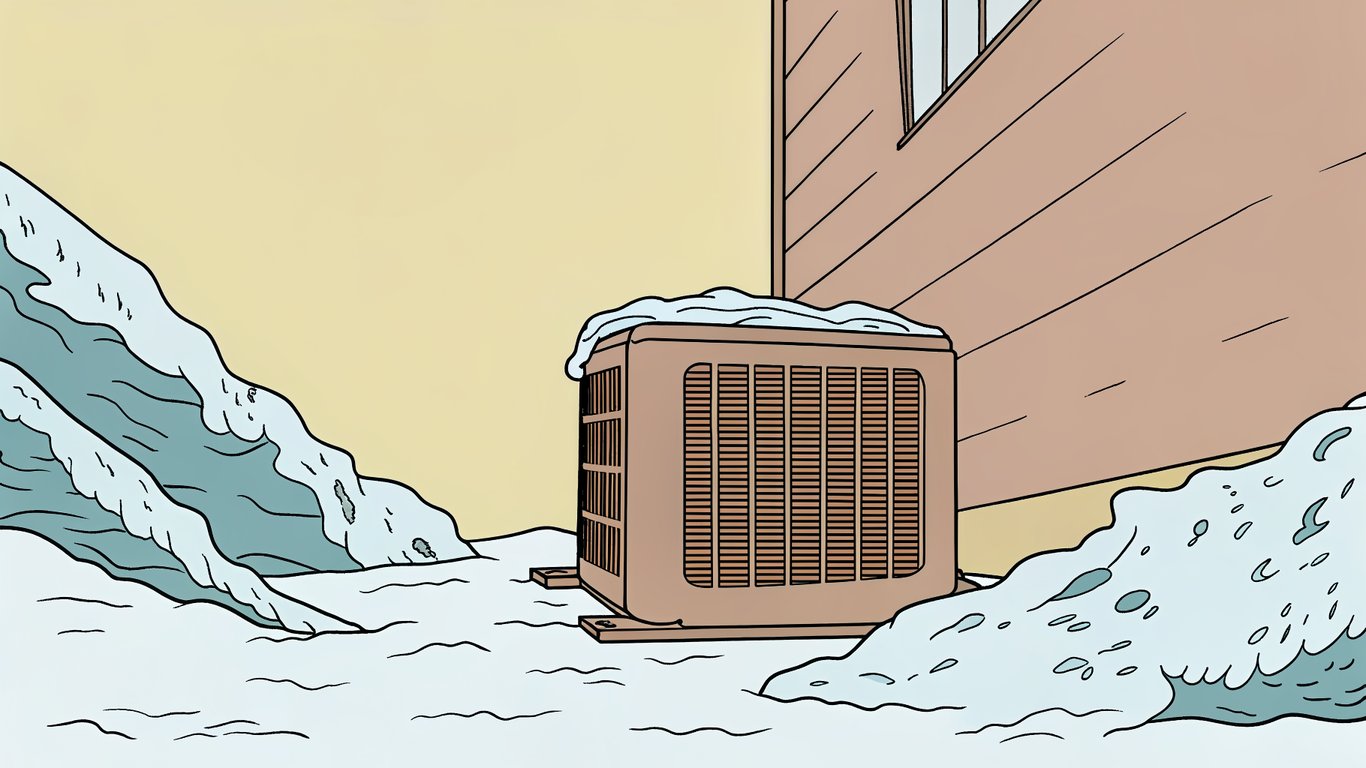
What Makes a Heat Pump ‘Quebec-Ready’
A Quebec-ready heat pump needs specific capabilities. First, it should maintain at least 70% heating capacity at -25°C. Many popular models claim cold-climate performance but lose most of their heating power when temperatures really drop.
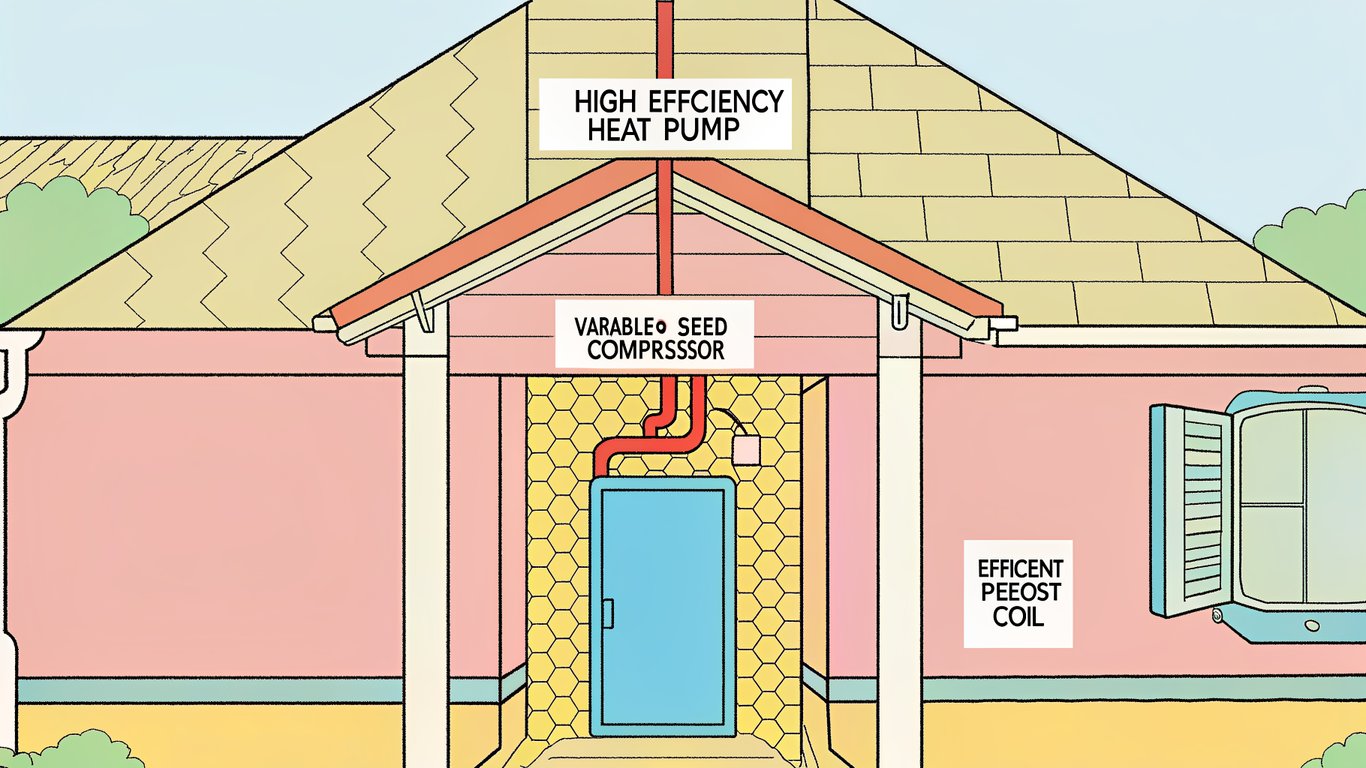
Look for minimum operating temperatures of -30°C or lower. The unit should have an efficient defrost cycle that doesn’t waste energy. Variable-speed compressors help maintain consistent temperatures without the on-off cycling that drives up electricity bills.
How We Selected These Popular Models
We focused on models that Quebec homeowners actually buy and install. These aren’t theoretical picks. They’re systems with proven track records in Canadian winters, available service networks across the province, and positive feedback from people who’ve used them through multiple heating seasons.
Cold-climate performance was the primary filter. If a model can’t maintain heating capacity below -20°C, it didn’t make the list. We also considered energy efficiency ratings, reliability data, and whether you can actually get parts and service in Quebec when something goes wrong.
The 10 Best Heat Pump Models for Quebec in 2026
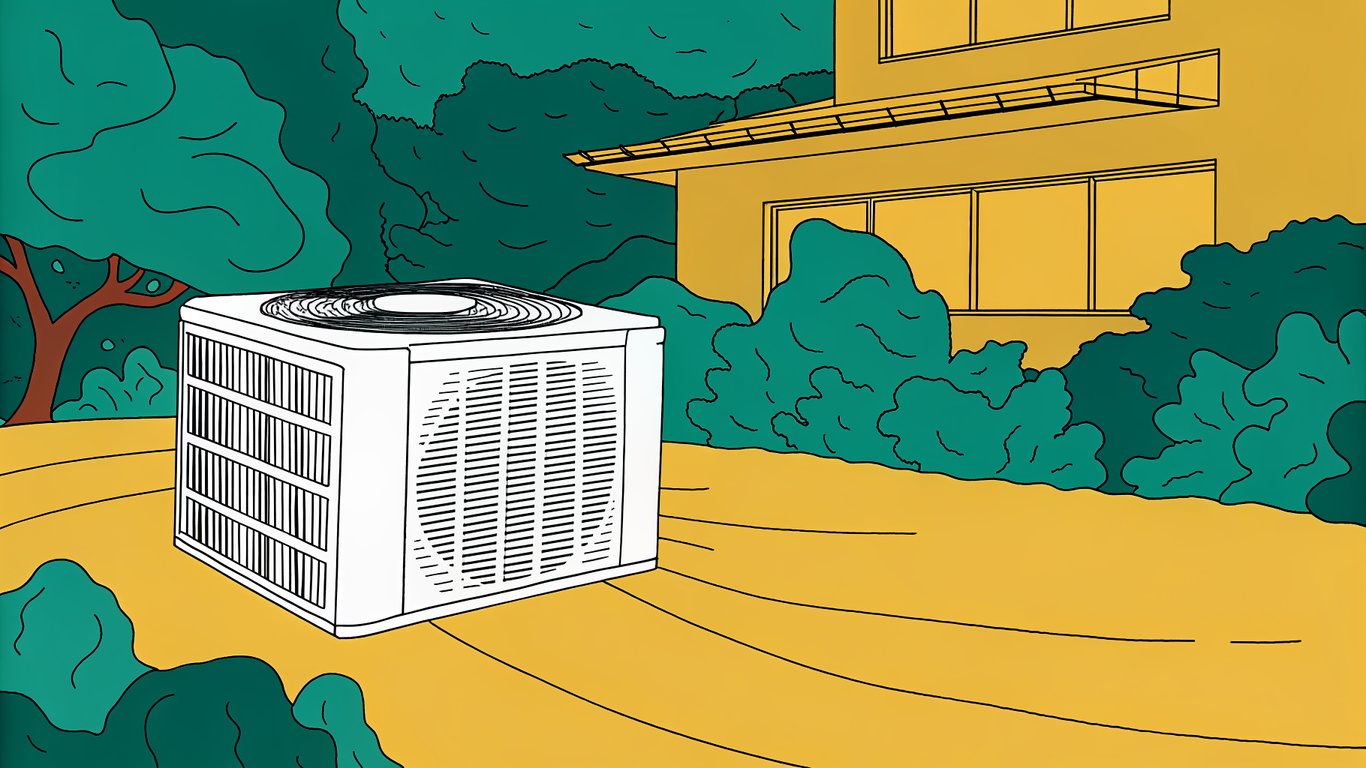
1. Mitsubishi Hyper-Heat H2i Series
The Mitsubishi Hyper-Heat series has earned its reputation in Quebec. These units maintain heating capacity down to -30°C, which matters when you’re in the middle of a January cold snap and your backup heating would cost twice as much to run.
Pros: Exceptional cold-weather performance that actually delivers on its promises. Quiet operation even when working hard. Reliable defrost cycles that don’t leave you shivering. Strong dealer network across Quebec means you can get service when needed.
Cons: Higher upfront cost compared to other popular models. You’re paying for that cold-climate engineering. Installation requires experienced technicians familiar with the system.
Best for: Whole-home heating in rural properties where temperatures regularly hit extreme lows. Homeowners replacing oil furnaces who need reliable performance without backup systems.
2. Fujitsu Halcyon XLTH Series
Fujitsu’s Halcyon XLTH models compete directly with Mitsubishi for cold-climate performance. They’ve got solid HSPF ratings and a defrost cycle that works efficiently without wasting energy.
Pros: Excellent energy efficiency ratings translate to lower operating costs. The defrost cycle is well-engineered and doesn’t create temperature swings. Good performance in the -20°C to -25°C range where Quebec homes spend most of winter.
Cons: Service network gets thinner in rural Quebec. Parts availability can be slower than Mitsubishi or other popular models with more established dealer networks.
Best for: Urban and suburban homes in Montreal, Quebec City, and other areas with good dealer access. Retrofit installations where you’re adding heat pump capacity to existing systems.
3. Daikin Aurora Cold Climate Series
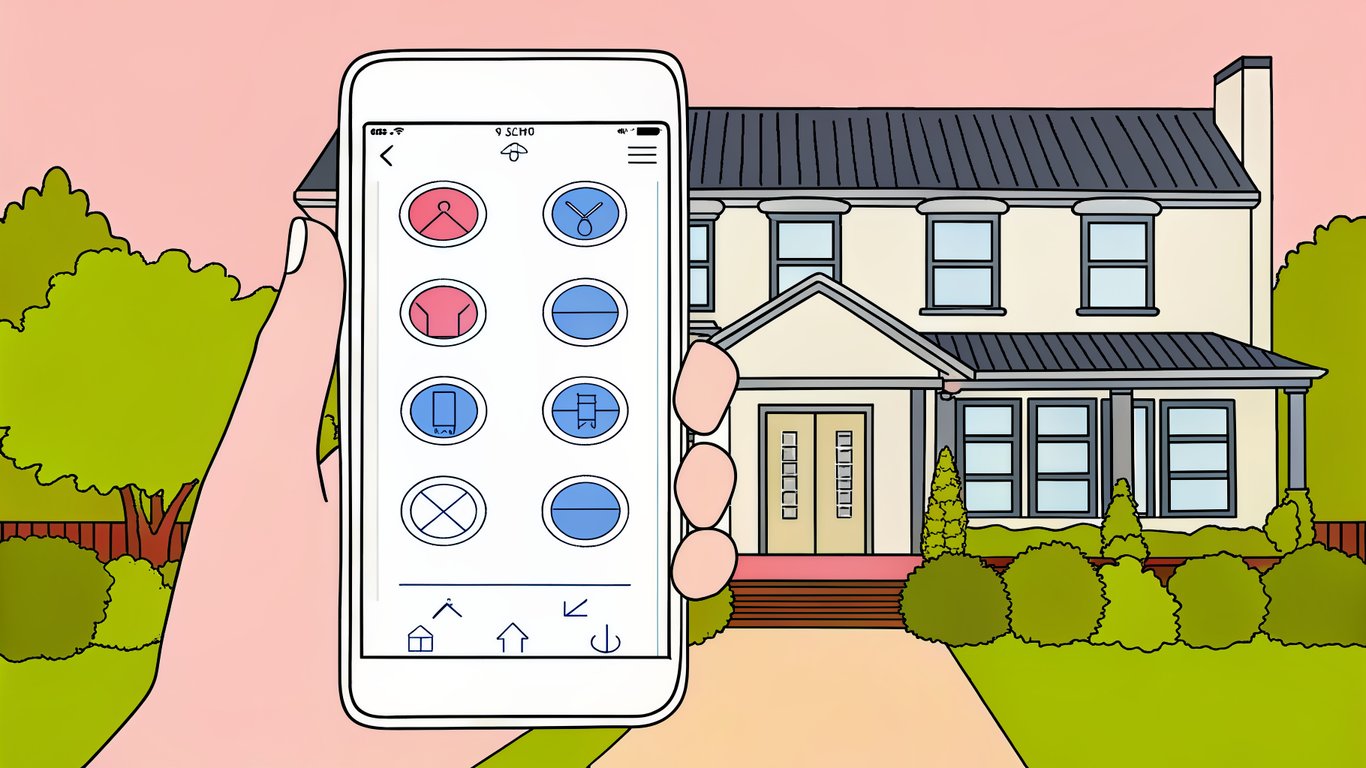
Daikin Aurora systems bring smart home integration that other popular models are still catching up to. The cold-climate performance is solid, and the technology features appeal to homeowners who want control through their phones.
Pros: Smart home integration works well with most systems. Consistent heating performance without the temperature fluctuations some models create. Good energy efficiency in moderate cold.
Cons: Installation is more complex than simpler models. You need technicians who understand the system’s capabilities. Not the best choice if you want basic, straightforward operation.
Best for: New construction where you can integrate the system from the start. Tech-savvy homeowners who want detailed control and monitoring.
4. LG Red Series Multi-Zone
The LG Red Series handles multi-zone heating better than most popular models. If you’ve got a multi-level home or want different temperatures in different areas, this system gives you that flexibility.
Pros: Flexible zoning lets you heat different areas independently. Aesthetic design with indoor units that don’t look like industrial equipment. Good performance across Quebec’s typical winter temperature range.
Cons: Higher maintenance needs with multiple indoor units. More components mean more potential service calls. Cost adds up quickly when you’re installing multiple zones.
Best for: Multi-level homes where you want zone control. Properties where different family members prefer different temperatures.
5. Carrier Infinity Greenspeed
Carrier’s Infinity Greenspeed uses variable-speed technology that adjusts output precisely. This prevents the temperature swings you get with single-speed systems that just turn on and off.
Pros: Precise temperature control maintains comfort without overshooting. Energy savings from variable-speed operation add up over Quebec’s long heating season. Established service network across the province.
Cons: Premium pricing puts it at the higher end of popular models. The technology adds complexity that some homeowners don’t need.
Best for: Energy-conscious homeowners who want maximum efficiency. Larger properties where precise control matters more.
6. Bosch IDS 2.0 Ultra-Quiet Series
If noise matters to you, Bosch IDS 2.0 models run quieter than most popular models. The compact design works well in urban settings where outdoor space is limited.
Pros: Whisper-quiet operation won’t bother neighbors or disturb sleep. Compact outdoor units fit in tight spaces. Good efficiency in moderate cold conditions.
Cons: Moderate cold-weather capacity means it’s not the best choice for extreme rural locations. Performance drops more noticeably below -20°C compared to Mitsubishi or Fujitsu.
Best for: Urban settings where noise restrictions matter. Properties with limited outdoor installation space.
7. Lennox Ultimate Comfort System
Lennox Ultimate Comfort integrates whole-home climate control with air quality features. It’s more than just heating and cooling.
Pros: Comprehensive climate control handles heating, cooling, humidity, and air quality. Good for families concerned about indoor air quality during Quebec’s sealed-up winters. Established dealer network.
Cons: Requires professional maintenance to keep all features working properly. Higher complexity means more potential service needs.
Best for: Family homes where air quality matters. Homeowners with allergies or respiratory concerns.
8. Gree Flexx Series
The Gree Flexx series offers budget-friendly entry into heat pump heating. It’s not the most powerful cold-climate option, but it works well in milder Quebec regions.
Pros: Competitive pricing makes heat pump technology accessible. Good warranty coverage provides peace of mind. Decent performance in the -15°C to -20°C range.
Cons: Limited extreme cold performance below -20°C. You’ll rely more on backup heating during the coldest weeks. Smaller service network in some Quebec regions.
Best for: Budget-conscious buyers in milder Quebec regions. Supplemental heating applications where you’ve got backup systems.
9. Panasonic XE Series
Panasonic XE models include air purification technology alongside heating and cooling. The nanoe-X system addresses air quality concerns.
Pros: Air purification features work well during Quebec’s long heating season when homes are sealed tight. Efficient operation in typical winter conditions. Modern design aesthetic.
Cons: Limited dealer network compared to more established popular models. Parts availability can be slower in rural areas.
Best for: Health-focused homeowners concerned about indoor air quality. Modern builds where aesthetics matter.
10. York Affinity YZV Series
York Affinity systems offer reliable performance without fancy features. They’re straightforward, proven technology that works.
Pros: Strong warranty coverage backs up reliability claims. Proven track record in Canadian climates. Good dealer network across Quebec. Straightforward operation without complex controls.
Cons: Basic smart features lag behind newer popular models. Not the most efficient option for extreme cold.
Best for: Traditional homeowners who want reliable heating without technology complexity. Replacement installations where you’re upgrading from older systems.
Comparison Guide: Finding Your Perfect Match
Choosing between these popular models depends on your specific situation. Your budget matters, but so does your location, home size, and how cold it actually gets where you live.
Performance Comparison Chart
| Model | Min Operating Temp | Best For | Noise Level |
|---|---|---|---|
| Mitsubishi Hyper-Heat | -30°C | Extreme cold | Low |
| Fujitsu Halcyon XLTH | -25°C | Urban homes | Low |
| Daikin Aurora | -25°C | Smart homes | Medium |
| LG Red Series | -20°C | Multi-zone | Medium |
| Carrier Infinity | -25°C | Large homes | Low |
| Bosch IDS 2.0 | -20°C | Quiet operation | Very Low |
| Lennox Ultimate | -20°C | Air quality | Medium |
| Gree Flexx | -20°C | Budget choice | Medium |
| Panasonic XE | -20°C | Air purification | Low |
| York Affinity | -20°C | Reliability | Medium |
Price Range and Value Analysis
Budget models like Gree typically start around the lower end of the market, while premium options like Mitsubishi Hyper-Heat and Carrier Infinity command higher prices. But upfront cost doesn’t tell the whole story.
Installation costs vary significantly based on your home’s setup. A simple single-zone ductless installation costs less than a whole-home ducted system or complex multi-zone setup. Factor in electrical upgrades if your panel can’t handle the new load.
Long-term value comes from efficiency and reliability. A cheaper unit that struggles in cold weather and needs frequent service calls isn’t actually saving you money. Popular models with proven cold-climate performance typically cost less to operate over their lifetime.
Energy Efficiency and Operating Costs
Quebec’s electricity rates through Hydro-Québec are relatively low compared to other provinces, which makes heat pumps economically attractive. But efficiency still matters when you’re running the system for months straight.
Variable-speed models like Carrier Infinity typically use less electricity than single-speed units. They adjust output to match demand instead of cycling on and off. Over a Quebec heating season, that difference adds up.
Payback periods depend on what you’re replacing. If you’re switching from oil or propane, you’ll probably see savings within a few years. Replacing electric baseboard heating takes longer to pay back, but you gain cooling capacity and better comfort.
Installation Scenarios: Matching Models to Your Home
Whole-Home Heating Replacement
Replacing your entire heating system with a heat pump requires careful planning. Mitsubishi Hyper-Heat and Fujitsu Halcyon models work well for whole-home applications because they maintain capacity in extreme cold.
If you’ve got existing ductwork, ducted systems integrate more easily. Ductless multi-zone setups work when you don’t have ducts or want independent zone control. You’ll need multiple indoor units strategically placed to distribute heat effectively.
Supplemental Heating Solutions
Adding heat pump capacity to existing systems makes sense for many Quebec homeowners. You keep your current furnace as backup for the coldest days while the heat pump handles most of the heating season efficiently.
Single-zone ductless units work well for supplemental heating in specific areas. Maybe you’ve got a cold basement or an addition that’s hard to heat. Popular models like Bosch or York provide targeted heating without major renovations.
Quebec-Specific Considerations and Incentives
2026 Quebec Rebates and Incentives
Hydro-Québec typically offers rebates for heat pump installations that meet efficiency requirements. Federal programs may provide additional incentives for cold-climate models. Check current programs before purchasing, as incentives change.
Hydro-Québec typically offers rebates for heat pump installations that meet efficiency requirements. Federal programs may provide additional incentives for cold-climate models. Check current programs before purchasing, as incentives change.
Finding Qualified Installers in Quebec
Installation quality matters as much as choosing the right model. Look for contractors certified by manufacturers for the specific popular models you’re considering. Mitsubishi and Fujitsu both have certification programs.
Installation quality matters as much as choosing the right model. Look for contractors certified by manufacturers for the specific popular models you’re considering. Mitsubishi and Fujitsu both have certification programs.
Maintenance and Long-Term Performance
Seasonal Maintenance Checklist
Fall preparation includes cleaning outdoor coils, checking refrigerant levels, and testing defrost cycles before cold weather hits. Clear debris from around outdoor units and ensure drainage works properly.
Fall preparation includes cleaning outdoor coils, checking refrigerant levels, and testing defrost cycles before cold weather hits. Clear debris from around outdoor units and ensure drainage works properly.
Spring startup means cleaning or replacing filters, checking indoor units for dust buildup, and testing cooling mode before summer. This is when you’ll catch any issues that developed during the heating season.
Expected Lifespan and Replacement Planning
Quality cold-climate heat pumps typically last 15-20 years with proper maintenance. Quebec’s demanding climate probably puts more stress on systems than milder regions, so expect performance to decline gradually over time.
Plan for replacement when efficiency drops noticeably or repair costs start adding up. If you’re spending significant money on repairs for a system over 12-15 years old, replacement often makes more financial sense.
Final Recommendations and Decision Framework
Best Overall for Quebec Climates
Mitsubishi Hyper-Heat models earn the top recommendation for Quebec homeowners who need reliable performance in extreme cold. The higher upfront cost pays off in consistent heating when temperatures drop below -25°C. You’re not gambling on whether your heat pump will work during the coldest weeks.
Best Value for Budget-Conscious Buyers
Gree Flexx series offers the most accessible entry point into heat pump heating. It won’t match premium popular models in extreme cold, but it works well in milder Quebec regions or as supplemental heating. The warranty coverage provides reasonable protection for your investment.
Best Premium Option for Maximum Performance
Carrier Infinity Greenspeed combines cold-climate capability with variable-speed efficiency and precise control. If you want maximum comfort and efficiency without compromising on extreme cold performance, this is where you invest your money.
Next Steps: From Research to Installation
Start by getting quotes from at least three certified installers. Make sure they’re quoting the same capacity and features so you can compare accurately. Ask about their experience with your chosen model and request references.
Check current rebate programs before finalizing your purchase. Timing your installation to maximize available incentives can save thousands. Most installers can help navigate the rebate application process.
Plan installation timing carefully. Fall is typically busy for HVAC contractors as everyone wants systems installed before winter. Spring and summer often offer better availability and potentially better pricing. But don’t wait until you’re desperate for heat.