


Quebec winters aren’t messing around. When temperatures drop to -20°C or lower for weeks at a time, your heating system works overtime, and your electricity bill shows it. But here’s what most homeowners don’t realize: you can cut your winter energy costs by 30-50% without freezing in your own home.
The secret? Combining heat pump optimization with home envelope improvements. These two strategies work together in ways that neither can achieve alone.
Why Quebec Winters Demand a Dual Approach
Quebec’s climate creates unique challenges. We’re talking about sustained cold periods where traditional heating systems struggle and electricity demand spikes. Heat pumps can reduce electricity use for heating by approximately 65% compared to electric resistance heating, but only if your home can hold onto that heat.
That’s where envelope improvements come in. Air sealing and insulation prevent conditioned air from escaping, which means your heat pump doesn’t have to work as hard. It’s like trying to fill a bucket with holes versus one that’s watertight.
Understanding the Synergy: Heat Pumps + Envelope = Maximum Savings
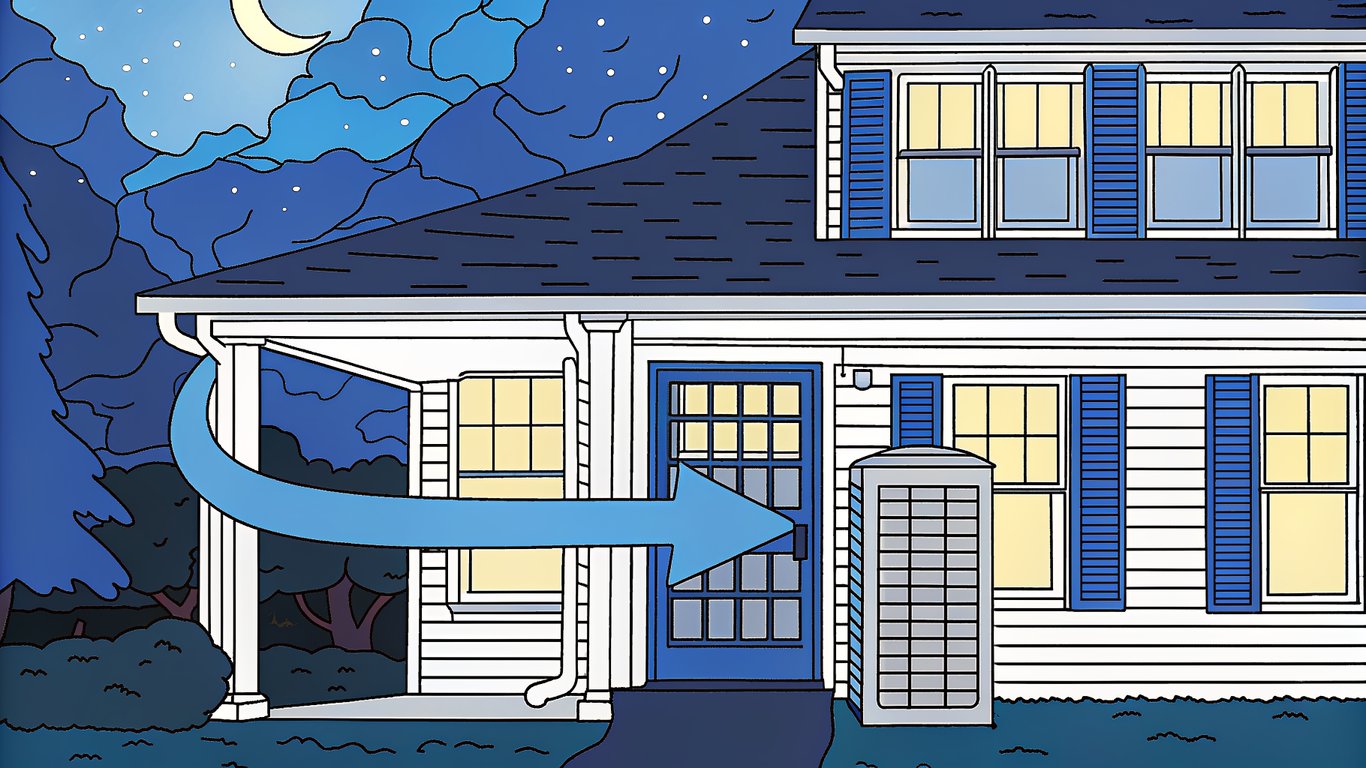
Modern heat pumps are three times as efficient as traditional heating systems. They transfer heat rather than create it, which uses significantly less energy. But when your home leaks heat through poor insulation or air gaps, even the most efficient heat pump can’t keep up without help from backup heating.
The 15 techniques we’re covering address both sides of this equation. Some you can implement today for free. Others require investment but deliver returns for decades.
Part 1: Heat Pump Optimization Techniques
Technique 1: Set It and Forget It – Maintain Steady Temperatures
This goes against everything you’ve learned about saving energy, but it’s true: heat pumps work most efficiently when maintaining a constant temperature. Avoid temperature swings of more than 2-3 degrees, because bigger changes trigger backup heat, which costs significantly more to run.
Find your comfortable temperature (probably somewhere between 20-22°C), set it, and leave it alone. The exception? If you’re away for more than 24 hours, you can set it back a few degrees.
Technique 2: Use ‘HEAT’ Mode, Not ‘AUTO’ Mode
AUTO mode seems convenient, but it’s not your friend in winter. Your heat pump runs most efficiently when set to HEAT mode during cold months. AUTO mode can cause the system to switch between heating and cooling unnecessarily, wasting energy in the process.
Check your thermostat or remote control right now. If it says AUTO, switch it to HEAT. That’s it. You just improved your efficiency without spending a dollar.
Technique 3: Maximize Fan Speed for Optimal Efficiency
Here’s something that surprises most people: heat pumps work more efficiently at higher fan speeds. Use the highest speed you’re comfortable with. Yes, it might be slightly noisier, but the energy savings are worth it.
Start with medium-high and adjust from there. You’ll probably get used to the sound within a few days, and your electricity bill will thank you.
Technique 4: Install Integrated Controls for Seamless Backup Heat Management
Integrated controls automatically manage the switch between your heat pump and backup heating system. Instead of manually adjusting two thermostats, one smart controller handles everything based on outdoor temperature and system efficiency.
Some programs offer rebates up to $600 for integrated controls. Your contractor can set these up to optimize when your heat pump runs versus when backup heat kicks in, ensuring you’re always using the most efficient option.
Technique 5: Monthly Filter Maintenance for Peak Performance
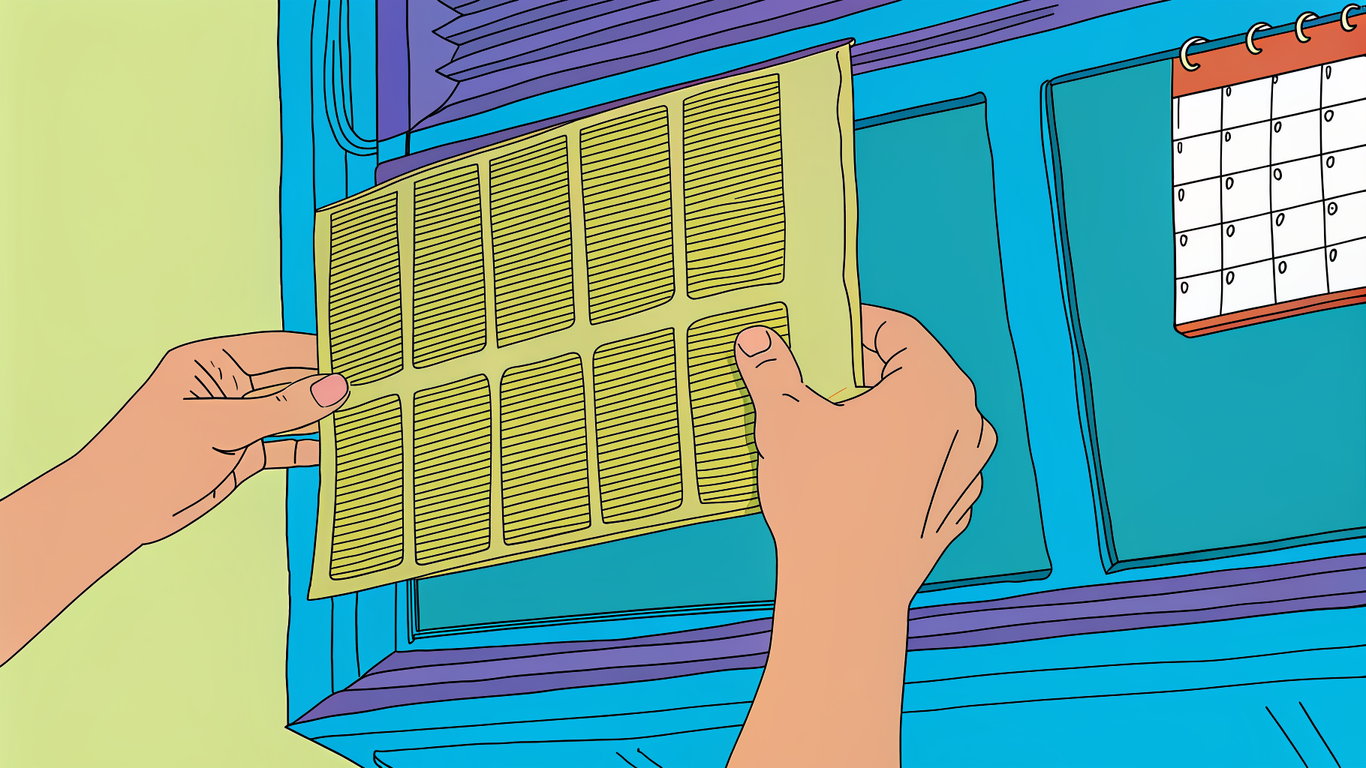
Clean your heat pump filters once a month during winter. Dirty filters restrict airflow, forcing your system to work harder and use more electricity. The process takes about five minutes.
Most filters just pop out. Vacuum them or rinse with water (check your manual first), let them dry completely, and reinstall. Set a monthly reminder on your phone. Seriously, do it right now.
Technique 6: Keep Outdoor Units Clear of Snow and Ice
Quebec winters dump snow on everything, including your outdoor heat pump unit. Snow and ice buildup blocks airflow and reduces efficiency. After heavy snowfall, clear at least 60 cm around the unit on all sides.
Don’t use sharp tools that might damage the fins. A broom works fine for snow. If ice forms on the unit itself, let the defrost cycle handle it rather than chipping away at it.
Technique 7: Expand Your Heat Pump Zone Strategically
Heat pumps work best when they can distribute warmth to multiple rooms. Open doors between rooms to expand the heated zone. Use a small fan to help circulate air to adjacent spaces.
The more area your heat pump can effectively heat, the less you’ll rely on backup systems. Experiment with door positions and fan placement to find what works in your home’s layout.
Technique 8: Schedule Professional Pre-Winter Tune-Ups
Book a professional maintenance visit in late fall, before the deep cold hits. Technicians check refrigerant levels, test electrical connections, clean coils, and verify the system operates at peak efficiency.
This prevents mid-winter breakdowns when you need your heat pump most. It also catches small issues before they become expensive problems.
Part 2: Home Envelope Improvement Techniques
Technique 9: Air Seal Critical Leak Points

Air leaks waste more energy than you’d think. The biggest culprits are windows, doors, electrical outlets, and anywhere pipes or wires penetrate walls. Sealing these gaps prevents warm air from escaping and cold air from sneaking in.
Start with weatherstripping around doors and windows. Use caulk for stationary gaps. For electrical outlets on exterior walls, install foam gaskets behind the cover plates. These are cheap DIY fixes that make an immediate difference in how to lower winter energy bills.
Technique 10: Upgrade Attic Insulation to R-60 Standards
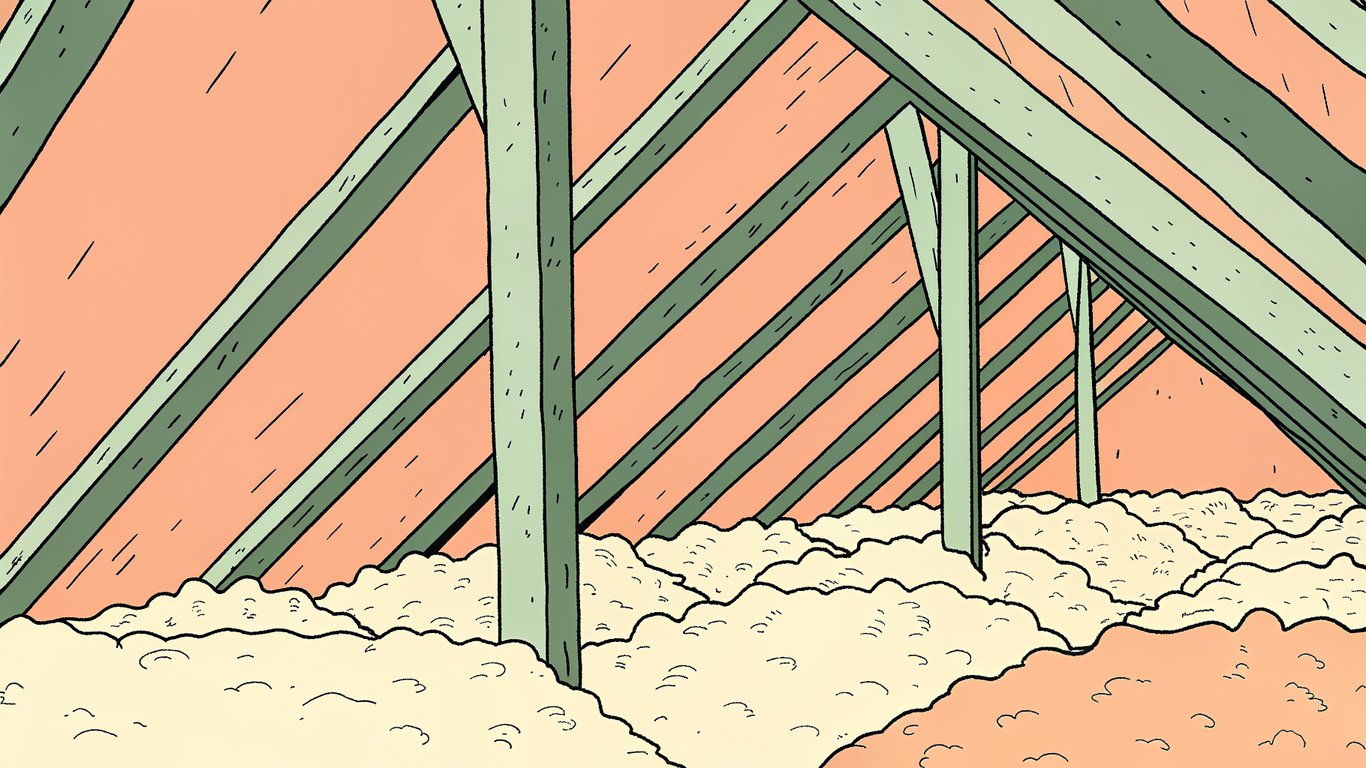
Heat rises, which means your attic is where you lose the most warmth. Upgrading attic insulation is the single most effective envelope improvement for Quebec homes. Aim for R-60 insulation value in your attic.
Proper attic insulation can reduce your heat pump’s workload by 25-40%. That’s substantial. If your attic currently has minimal insulation (common in older homes), this upgrade pays for itself relatively quickly through lower electricity bills.
Technique 11: Insulate Basement Walls and Rim Joists
Basements are often overlooked, but they’re major sources of heat loss. The rim joist (where your foundation meets the floor framing) is particularly problematic. Insulating basement walls and rim joists keeps heat from escaping through your foundation.
For Quebec’s climate, you’ll want to address moisture management too. Proper vapor barriers prevent condensation issues that can lead to mold. This might be a job for professionals unless you’re experienced with basement insulation.
Technique 12: Install Energy-Efficient Window Coverings
Windows are thermal weak points, even good ones. Cellular shades, thermal curtains, and window films can reduce heat loss through windows by up to 25%. Cellular shades work particularly well because they trap air in honeycomb-shaped pockets.
Close them at night when heat loss is greatest. Open them during sunny days to let solar heat in. This simple habit costs nothing and makes a noticeable difference.
Technique 13: Upgrade to ENERGY STAR Most Efficient Windows
Window replacement is expensive, but if your windows are old and drafty, it might be worth it. Look for ENERGY STAR Most Efficient certification with low U-factor ratings (measures heat loss) appropriate for Quebec’s climate zone.
Federal tax credits offer up to $600 for qualifying window upgrades. Combined with energy savings, new windows can pay for themselves over time, though we’re talking years, not months.
Technique 14: Seal and Insulate Ductwork
If you have a ducted heating system, leaky ducts can waste 20-30% of your heating energy. Sealing duct joints with mastic (not regular duct tape, which fails over time) and insulating ducts in unconditioned spaces prevents this waste.
Focus on ducts running through unheated areas like attics, crawl spaces, or garages. These are where heat loss is most significant.
Technique 15: Add Wall Insulation to Older Quebec Homes
Many older Quebec homes have little to no wall insulation. Adding insulation through blown-in cellulose or injection foam can dramatically improve comfort and efficiency without tearing down walls.
This is definitely a professional job. Contractors drill small holes, inject insulation, and patch the holes. It’s not cheap, but for homes with minimal existing wall insulation, the energy savings can be substantial.
Maximizing Your Investment: Quebec Rebates and Incentives for 2026
Don’t pay full price for these improvements. Multiple rebate programs can offset your costs significantly.
Federal Energy Efficient Home Improvement Credits
The federal government offers tax credits up to $2,000 per year for qualified heat pumps and up to $600 for ENERGY STAR Most Efficient windows. These credits apply to equipment that meets specific efficiency standards.
Keep your receipts and manufacturer certifications. You’ll need them when filing your taxes to claim these credits.
Quebec Provincial Programs: Rénoclimat and Chauffez Vert
Quebec offers province-specific programs for energy efficiency improvements. These programs typically require an energy audit before and after improvements to verify savings, but they can provide substantial rebates for insulation and heat pump installations.
Check current program availability and requirements, as they can change. The application process usually involves working with certified contractors and energy advisors.
Hydro-Québec Efficiency Programs
Hydro-Québec runs various efficiency programs that change periodically. These might include rebates for heat pump installations, smart thermostats, or home weatherization projects.
Visit their website or call to ask about current offerings. Programs often have limited funding and fill up quickly, so don’t wait if you’re planning improvements.
Creating Your Rebate Strategy: Maximizing Available Funding
You can often stack federal and provincial incentives. Plan your improvements to qualify for multiple programs. For example, a heat pump installation might qualify for federal tax credits, provincial rebates, and utility incentives simultaneously.
Work with contractors familiar with these programs. They can help navigate requirements and ensure your project qualifies for maximum funding.
Implementation Roadmap: Prioritizing Your 15 Techniques
Quick Wins: Zero to Low-Cost Techniques to Start Today
Start with techniques that cost little or nothing but deliver immediate results. Switch your heat pump to HEAT mode, increase fan speed, maintain steady temperatures, clean your filters monthly, clear snow from outdoor units, and install window coverings you might already own.
These changes take an afternoon to implement and start saving money on your next electricity bill.
Medium-Term Projects: Planning Your Winter Preparation
Schedule these for fall, before winter hits hard. Air sealing, integrated controls, duct sealing, and professional tune-ups require some investment and planning but aren’t massive projects.
Budget a few hundred to a couple thousand dollars depending on your home’s needs. The payback period is typically 2-5 years through energy savings.
Long-Term Investments: Major Upgrades for Maximum Impact
Attic insulation, basement insulation, window replacement, and wall insulation are substantial investments. These projects might cost several thousand dollars but deliver the highest long-term savings.
Prioritize based on your home’s biggest weaknesses. An energy audit can identify where you’re losing the most heat. Start there for maximum impact.
Sample Implementation Plans for Different Home Types
Older Quebec home (pre-1980): Focus on envelope first. Air sealing, attic insulation, and basement insulation will make the biggest difference. Then optimize your heat pump settings.
Newer home with basic heat pump: Start with heat pump optimization techniques and air sealing. Your envelope is probably decent, so maximizing heat pump efficiency gives you the best return.
Well-insulated home needing optimization: Focus entirely on heat pump techniques, integrated controls, and fine-tuning your system. Your envelope is already good, so squeeze every bit of efficiency from your equipment.
Measuring Your Success: Tracking Electricity Savings
Understanding Your Hydro-Québec Bill and Consumption Patterns
Your electricity bill shows consumption in kilowatt-hours (kWh). Compare the same billing periods year-over-year to see if your improvements are working. Winter months will always be higher than summer, but you should see reductions compared to previous winters.
Track monthly consumption in a spreadsheet. After implementing techniques, you should see measurable decreases within a few billing cycles.
Using Smart Home Technology to Monitor Real-Time Savings
Energy monitoring devices provide real-time feedback on electricity consumption. Some plug into your electrical panel and connect to smartphone apps, showing exactly how much power you’re using at any moment.
This immediate feedback helps you understand which techniques make the biggest difference. You can see consumption drop when you adjust heat pump settings or close window coverings.
Realistic Savings Expectations: What Quebec Homeowners Can Achieve
Combining multiple techniques can reduce winter electricity consumption by 30-50%. That’s not hype. Homes that implement comprehensive heat pump optimization plus major envelope improvements regularly achieve these savings.
Your specific savings depend on your starting point. Older, poorly insulated homes see the biggest improvements. Newer homes see smaller percentage reductions but still meaningful dollar savings.
Common Mistakes to Avoid When Reducing Winter Energy Bills
Heat Pump Mistakes That Increase Electricity Consumption
Frequent temperature setbacks trigger backup heat, which costs more to run than maintaining steady temperatures. Using AUTO mode reduces efficiency. Neglecting filter maintenance forces your system to work harder. Undersizing your heated zone means backup systems run more often.
These mistakes are easy to make because they seem logical. But heat pumps operate differently than traditional furnaces, and what worked with your old system might hurt efficiency now.
Envelope Improvement Pitfalls
Incomplete air sealing wastes money. If you seal some leaks but miss major gaps, you won’t see proportional savings. Ignoring moisture management when adding insulation can create mold problems. Prioritizing walls over attic means you’re not addressing the biggest heat loss area first.
Do envelope improvements systematically. An energy audit helps identify priorities so you’re not guessing where to invest.
The Importance of Proper Sequencing
Envelope improvements should come before or alongside heat pump optimization. Installing a heat pump in a leaky house means the system works harder than necessary. Seal and insulate first, then optimize your heat pump to work with an efficient envelope.
This sequencing maximizes the synergy between both approaches and delivers better overall results.
Your Path Forward
These 15 techniques aren’t theoretical. They’re proven methods that Quebec homeowners use to significantly reduce winter electricity costs. The combination of heat pump optimization and envelope improvements creates results that neither approach achieves alone.
Start with the quick wins this week. Switch your heat pump to HEAT mode, increase fan speed, and set a steady temperature. Clean your filters and clear snow from your outdoor unit. These cost nothing and start saving money immediately.
Then plan your medium and long-term improvements. Research available rebates. Get quotes from contractors. Prioritize based on your home’s specific needs and your budget.
Building a more efficient home is an ongoing process. Each improvement compounds with the others, creating cumulative benefits for comfort, savings, and reducing your environmental impact. You don’t have to do everything at once. Pick a few techniques, implement them well, and build from there.